
Our craftsmanship
What defines the essence of Jelly Key’s Artisan Keycaps?
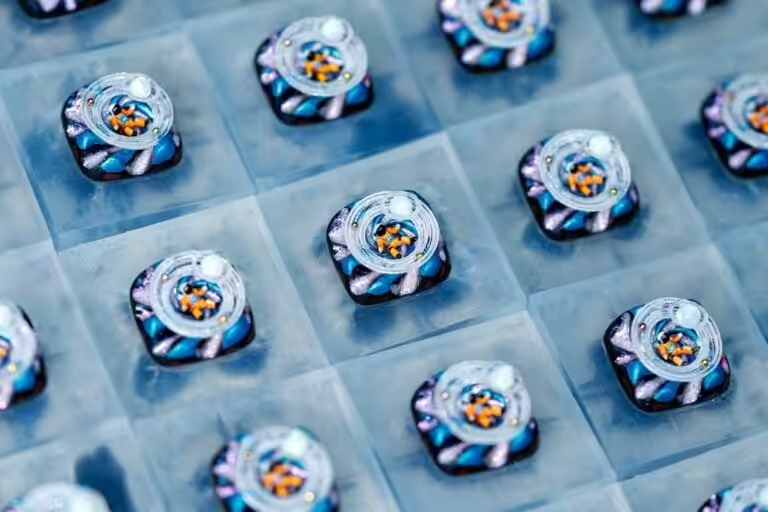
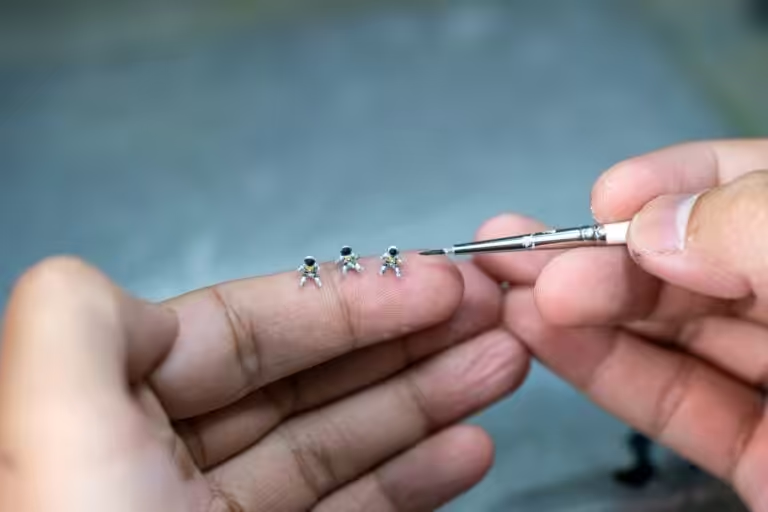
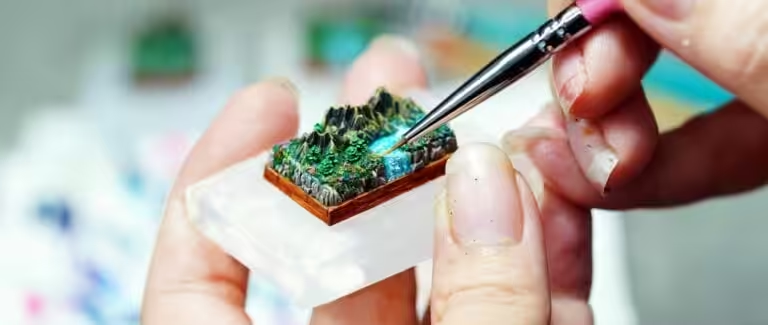
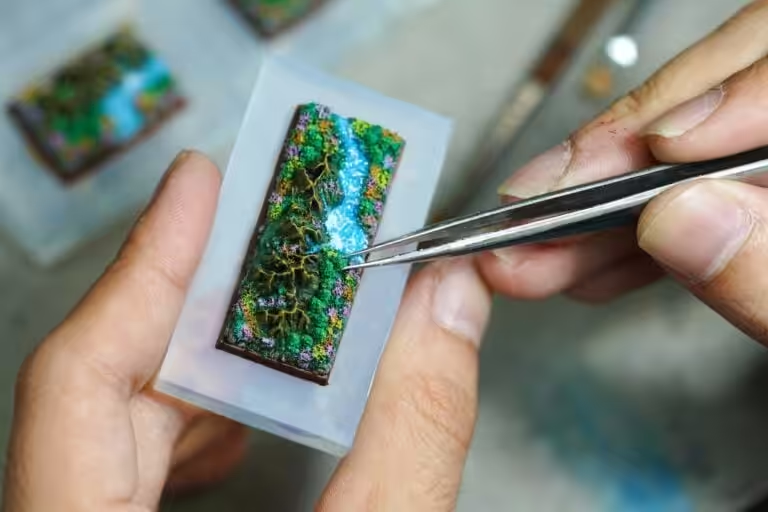
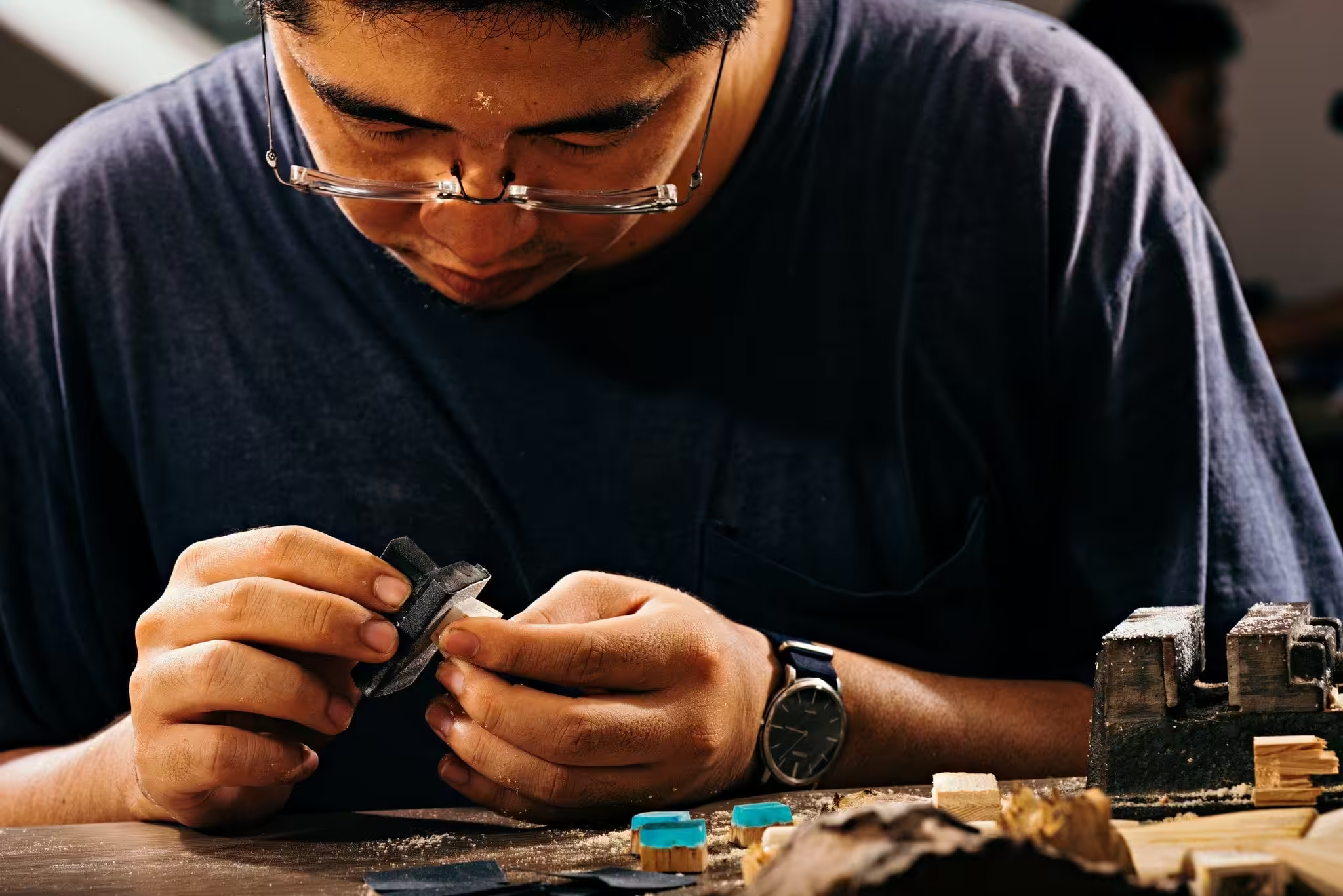
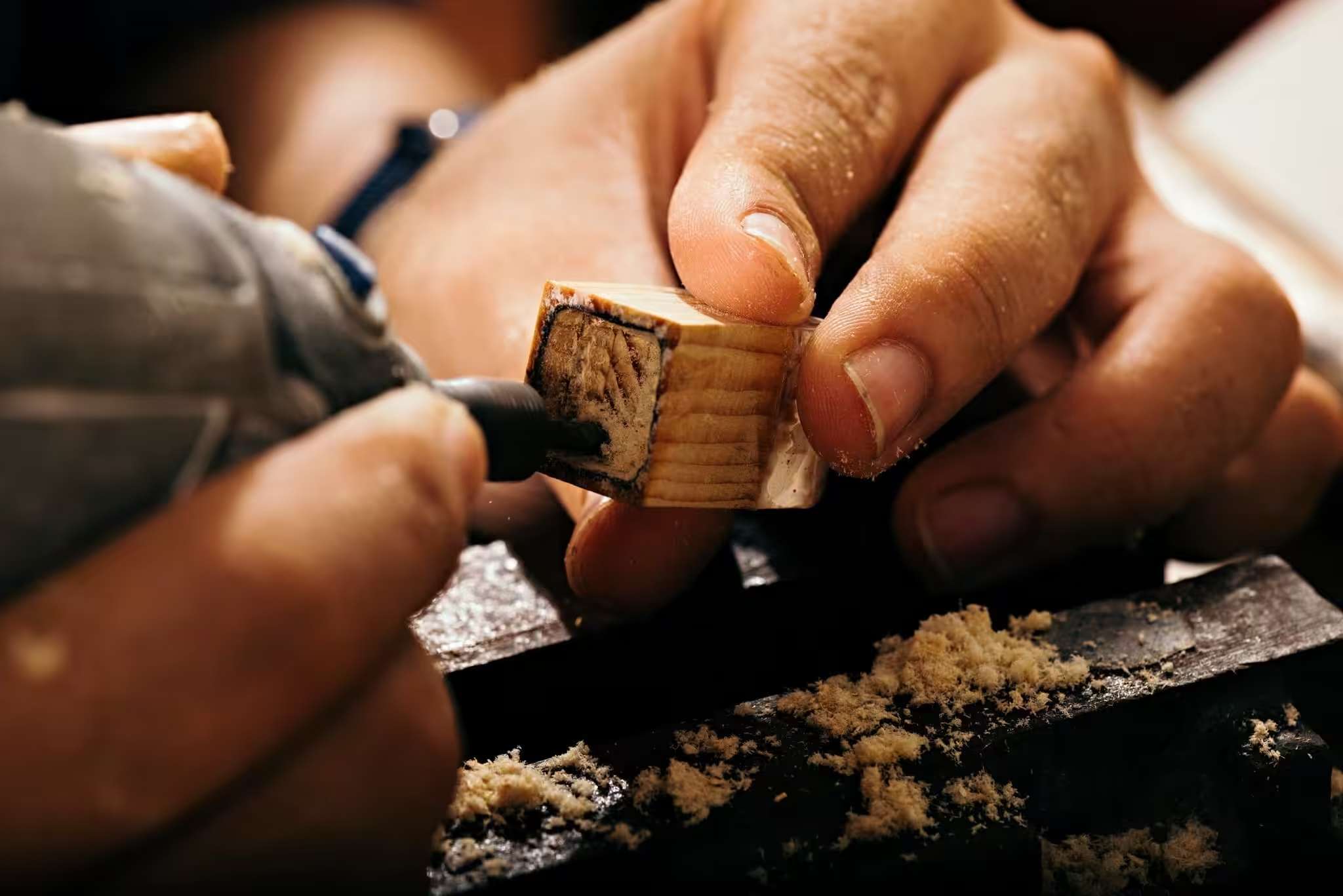
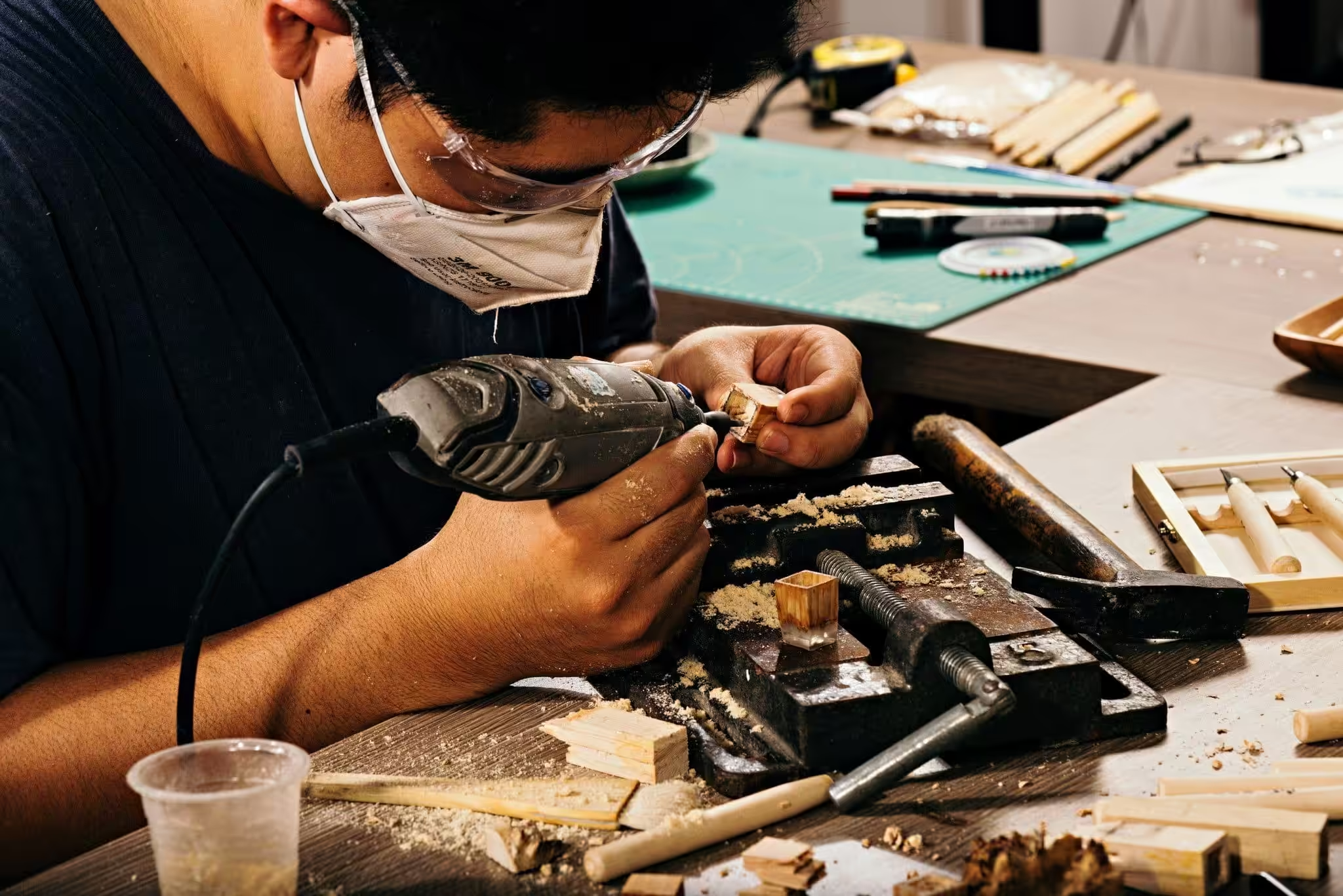
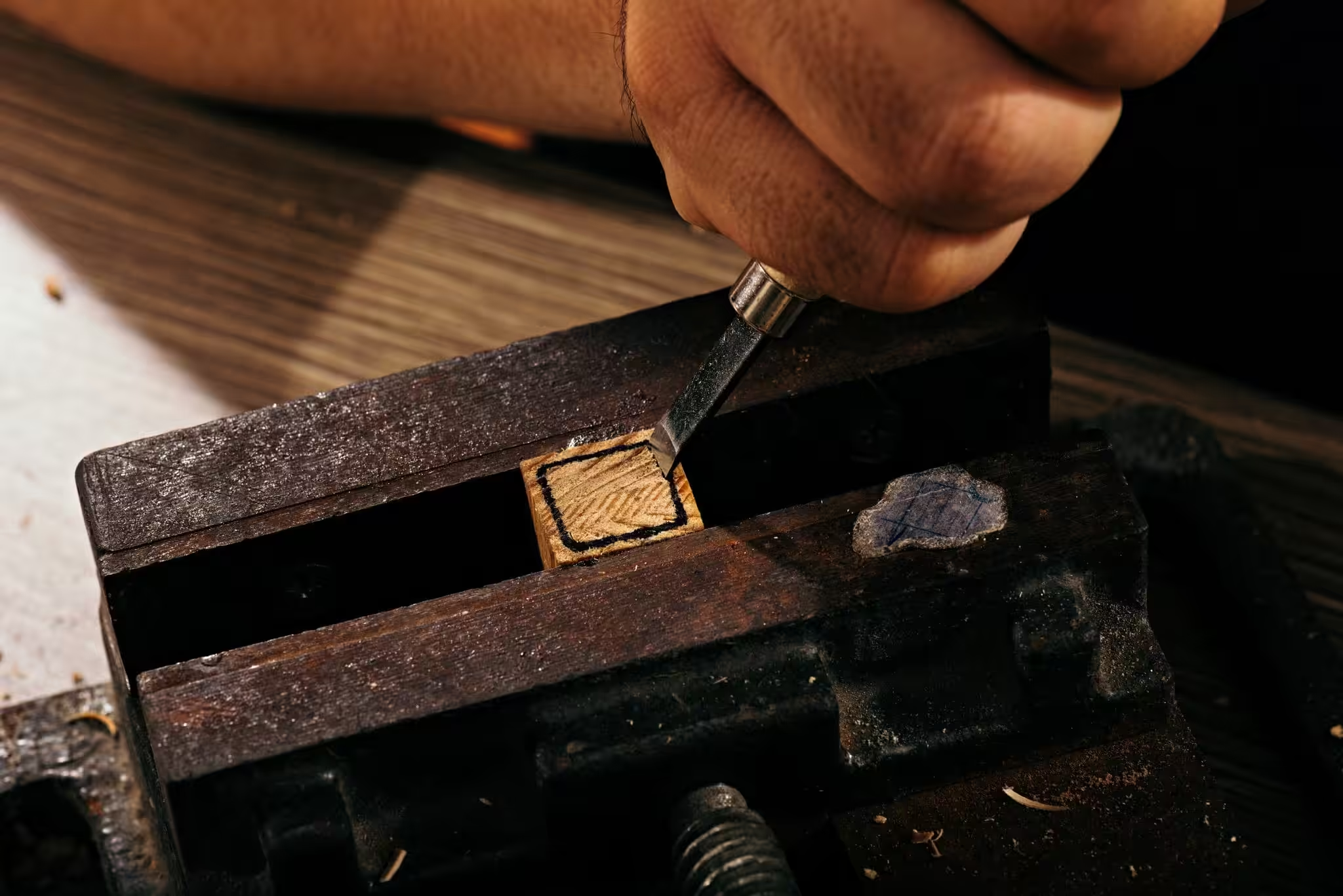
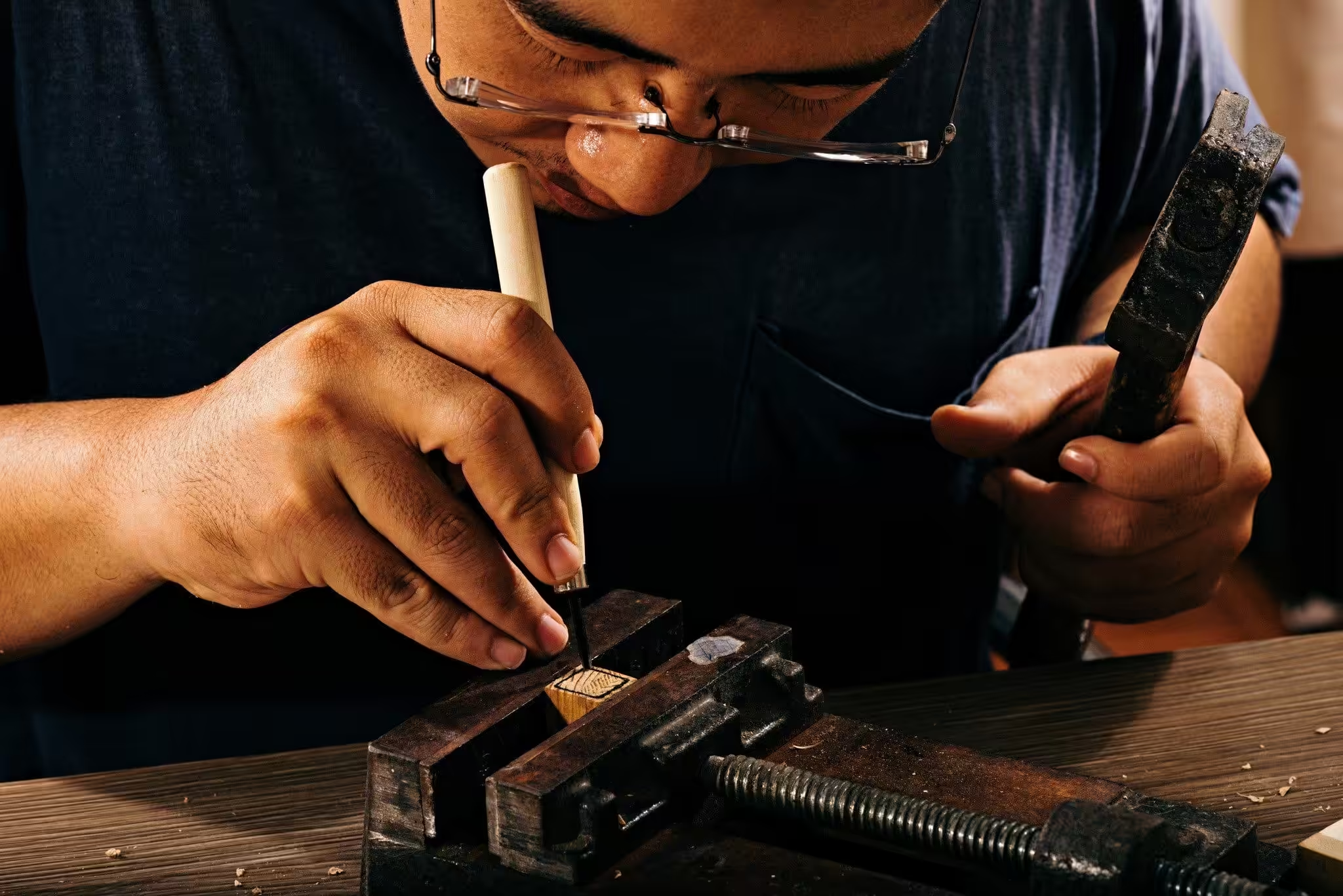
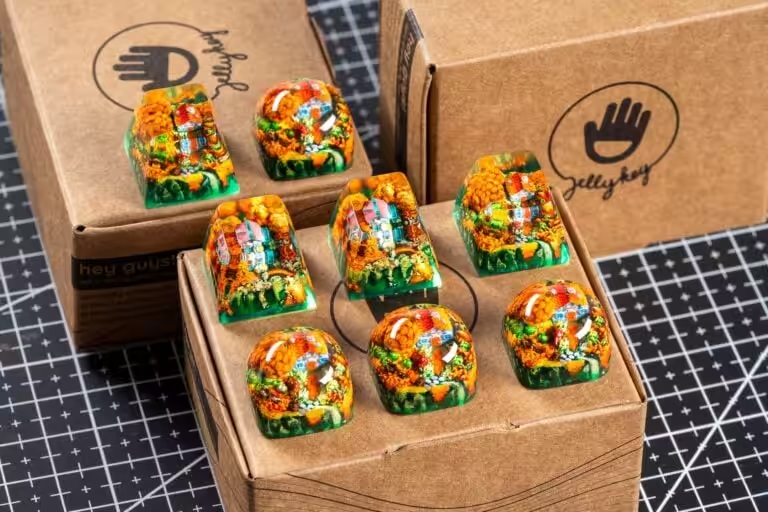
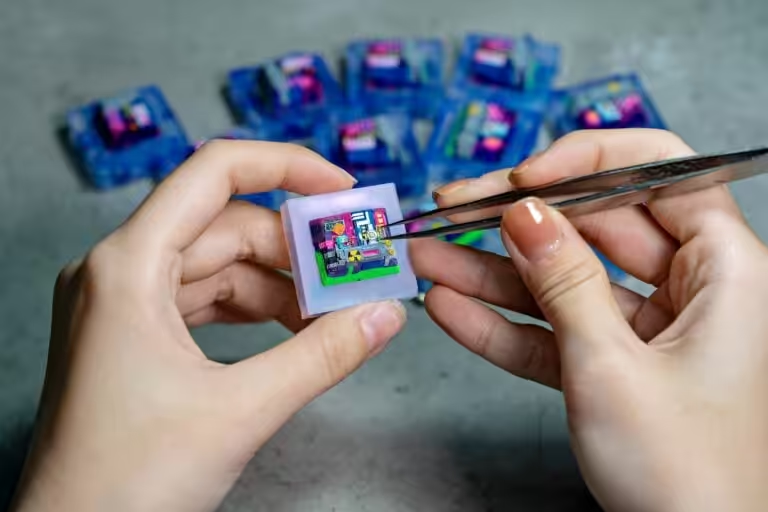
A keycap from Jelly Key starts as liquid resin and ends as something small enough to hold between two fingers. Everything that happens in between is done by hand. We mix the color by eye, set and cure each piece, then sand and finish it across a stretch of time a machine would never spend.
These are not peripherals. A keycap that leaves our studio carries the specific decisions of the person who made it: the pour done twice because the first was almost right, the extra minute on a single edge. That is the part a factory cannot copy, and it is the reason we keep working the slow way.
This is what handmade means to us. Not a word printed on a box. One person made it, and another person keeps it. The value passes from a pair of hands to a pair of hands, and that exchange is hard to put into words until you are holding the result.
Think of a cook chasing one dish. The first attempts miss. The seasoning is off, the timing is wrong, and the plate goes in the bin. What finally reaches the table is the version that survived every failed one before it. Our keycaps arrive the same way.
We choose each material carefully, then test it against an idea until the idea holds. Most of that work is gone by the time a cap is finished. What you see is the cap that made it through. What you do not see are the four in ten that did not.
What does Jelly Key work with?
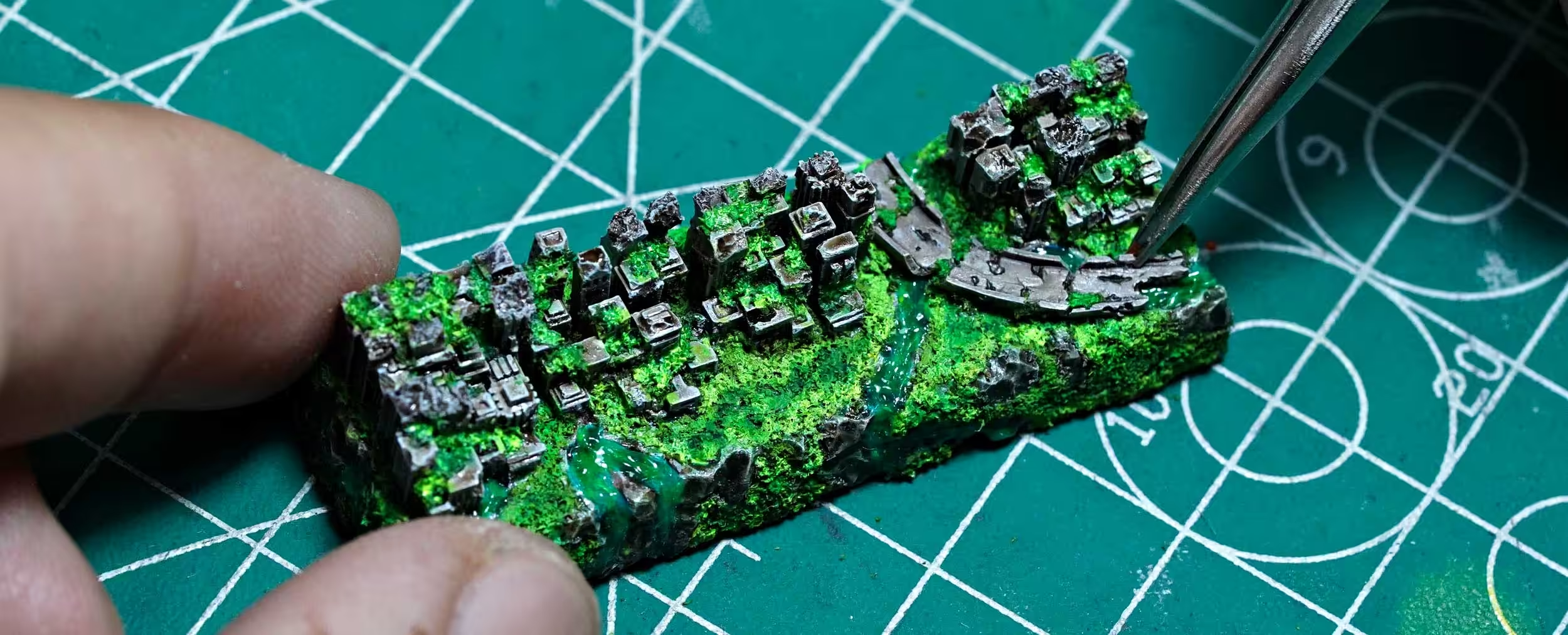
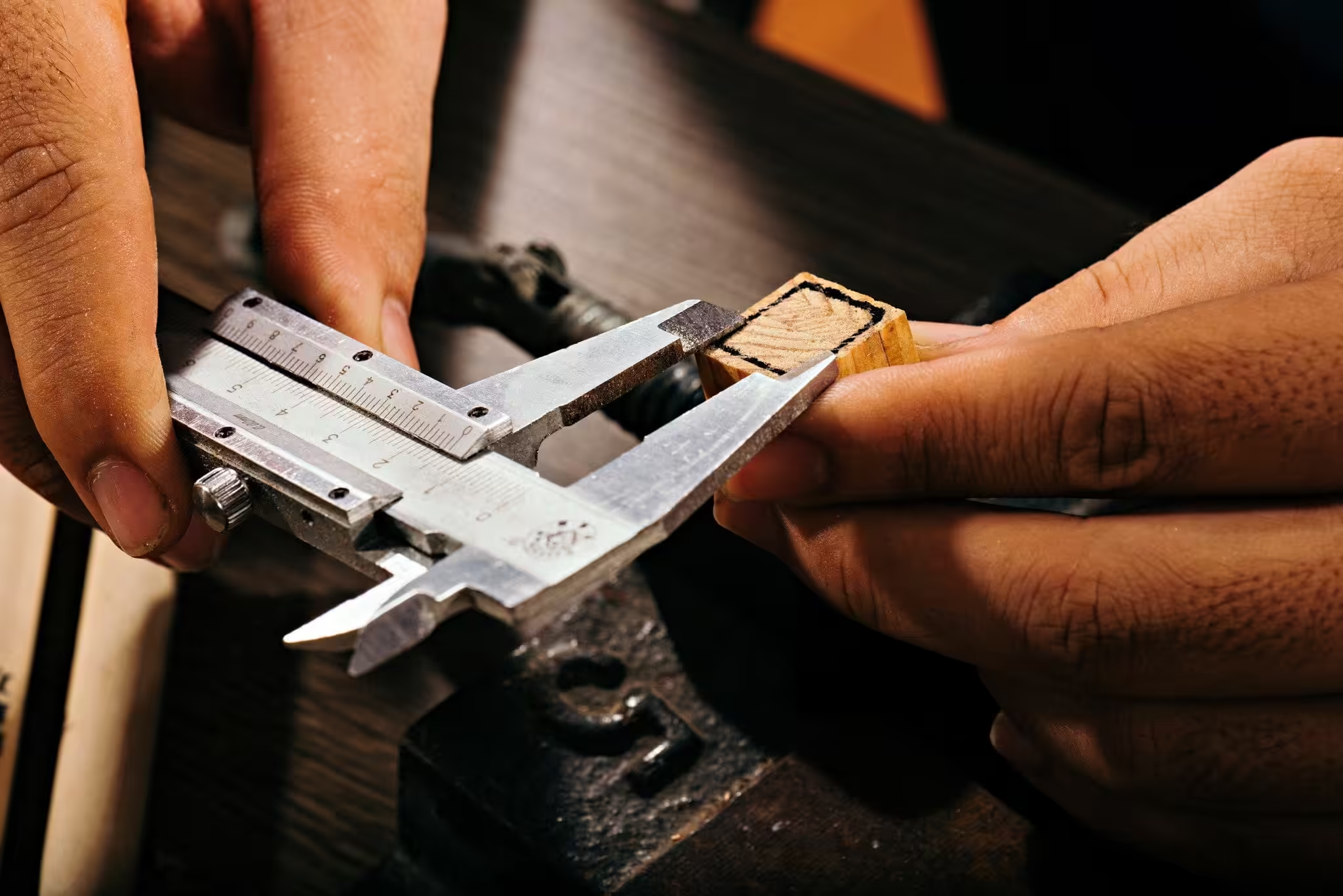
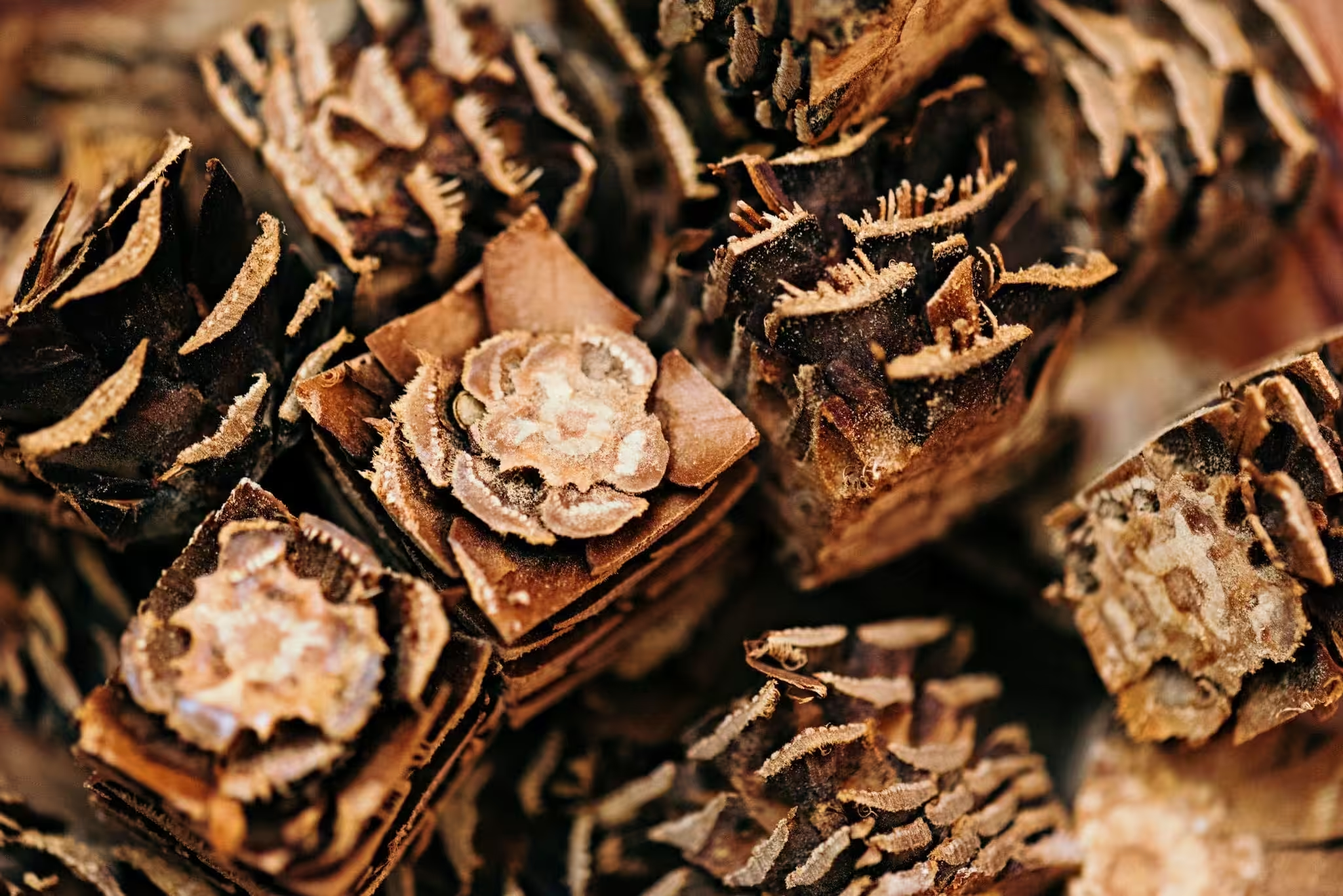
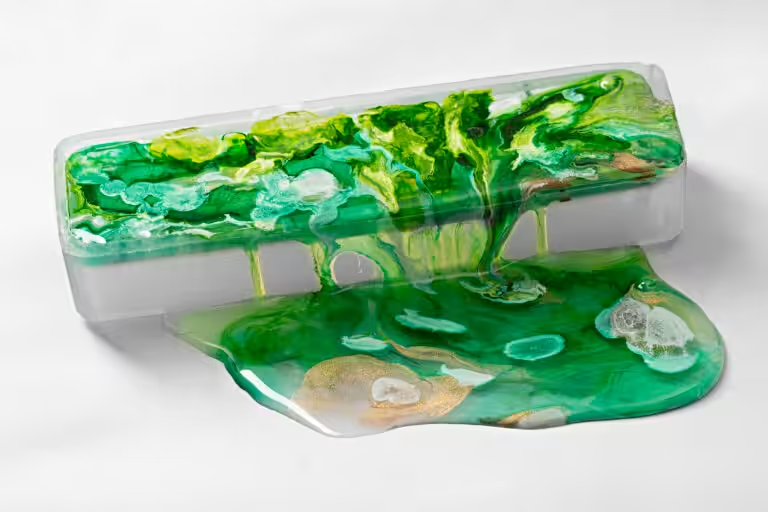
Resin is the base. Almost everything else is a decision. Into the resin we set what the design calls for: clay, crystals, watch gears, glitter paper, alcohol ink, fluorescent pigment that keeps glowing after the lights go down, and wood drawn from Vietnamese and Japanese traditions.
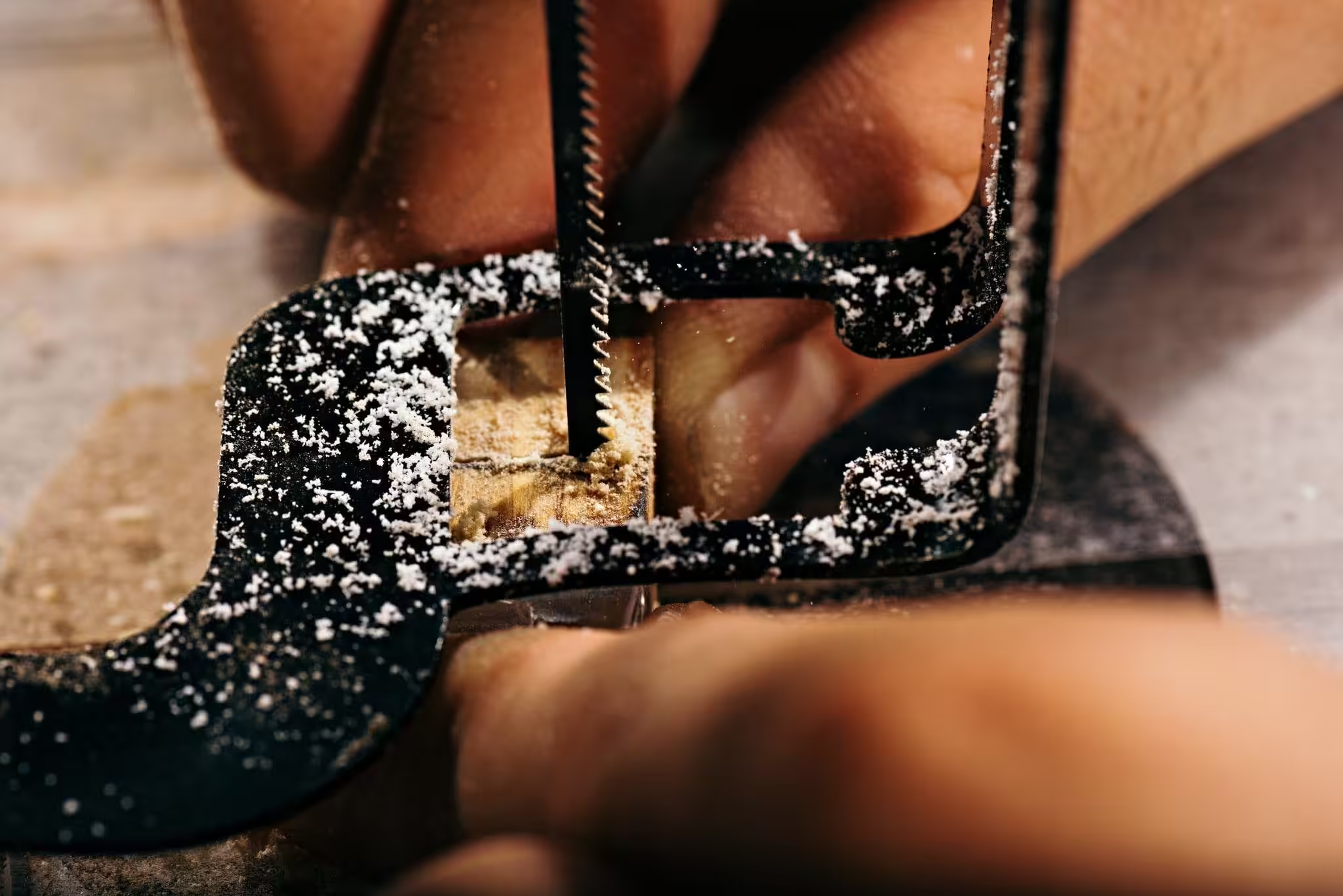
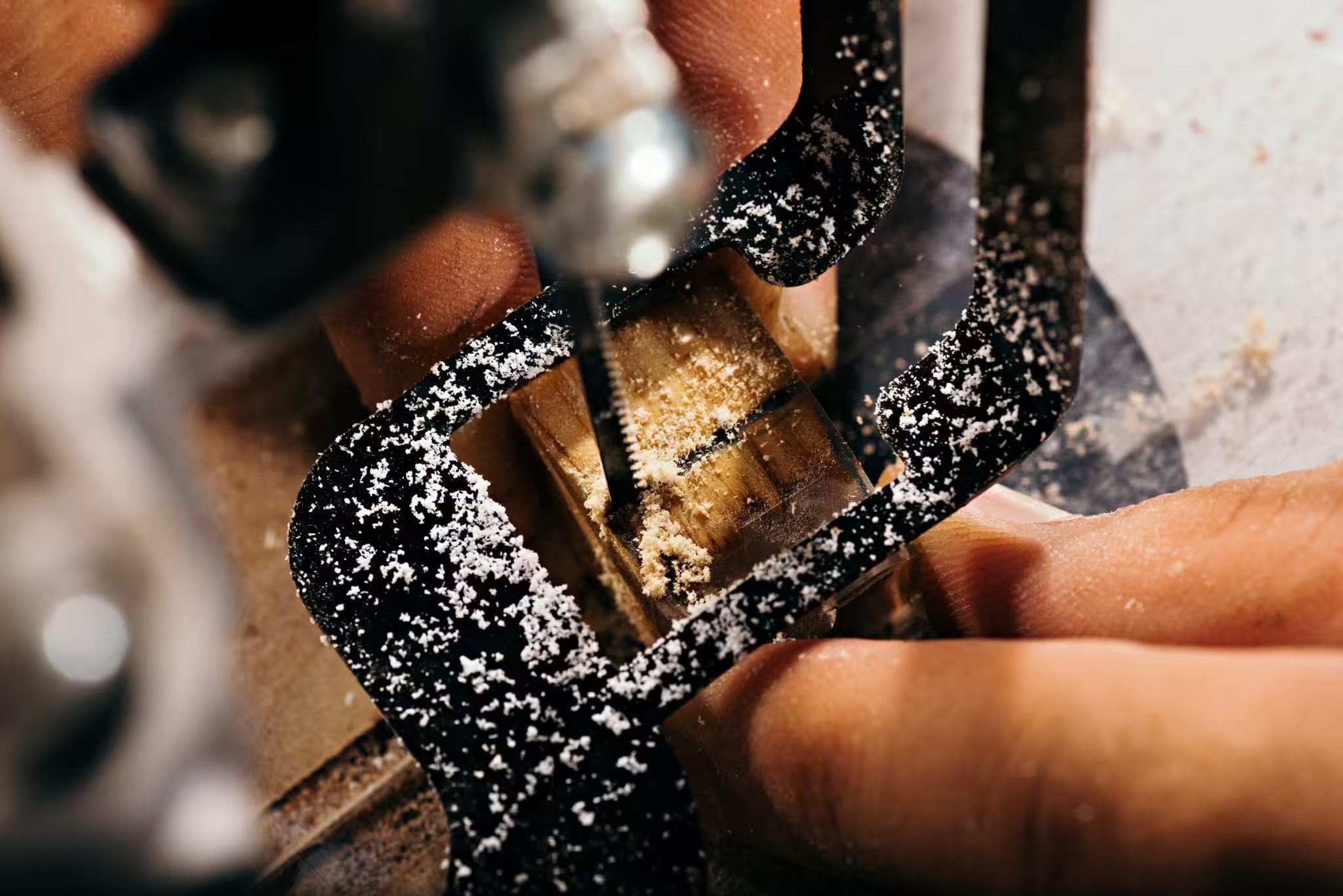
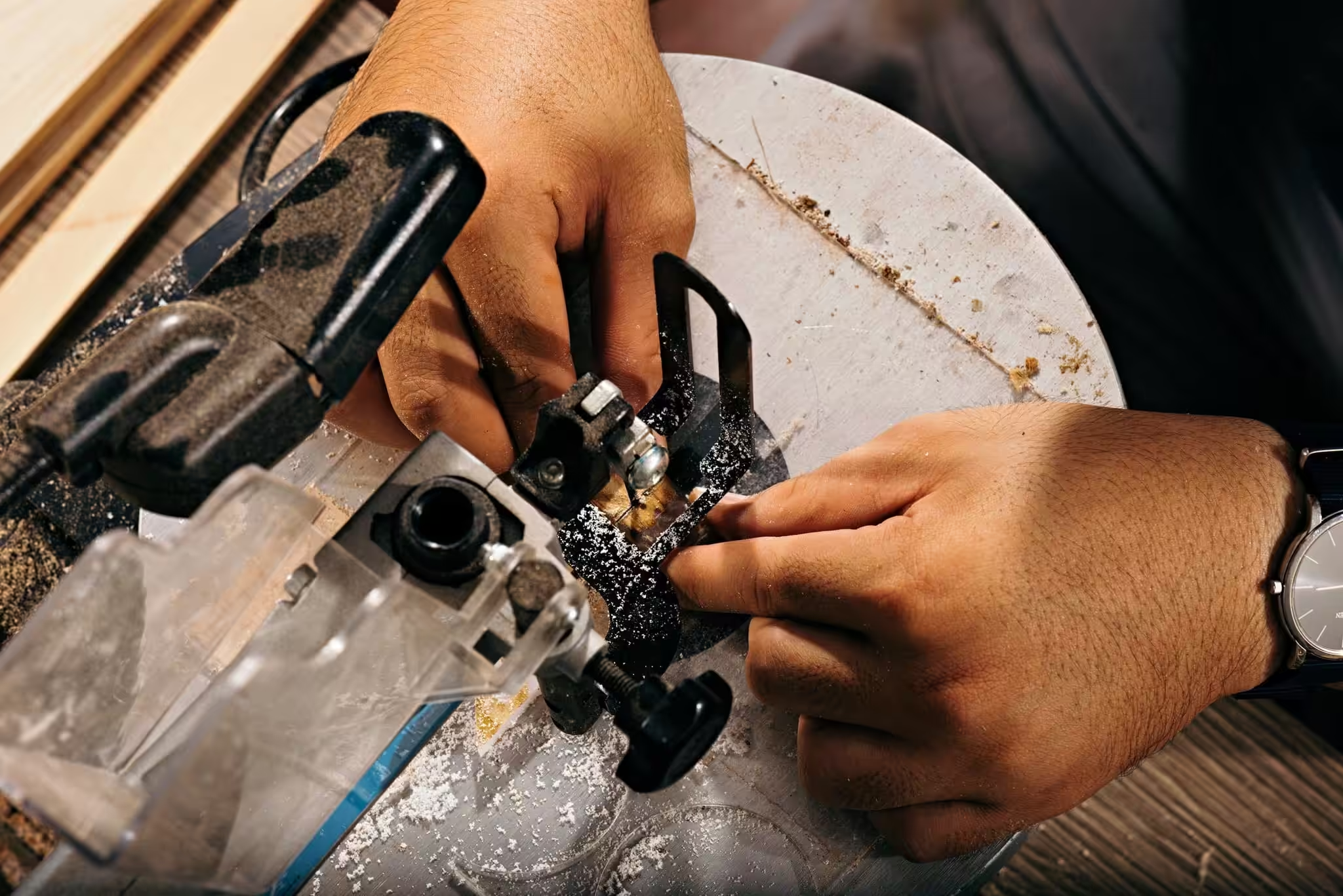
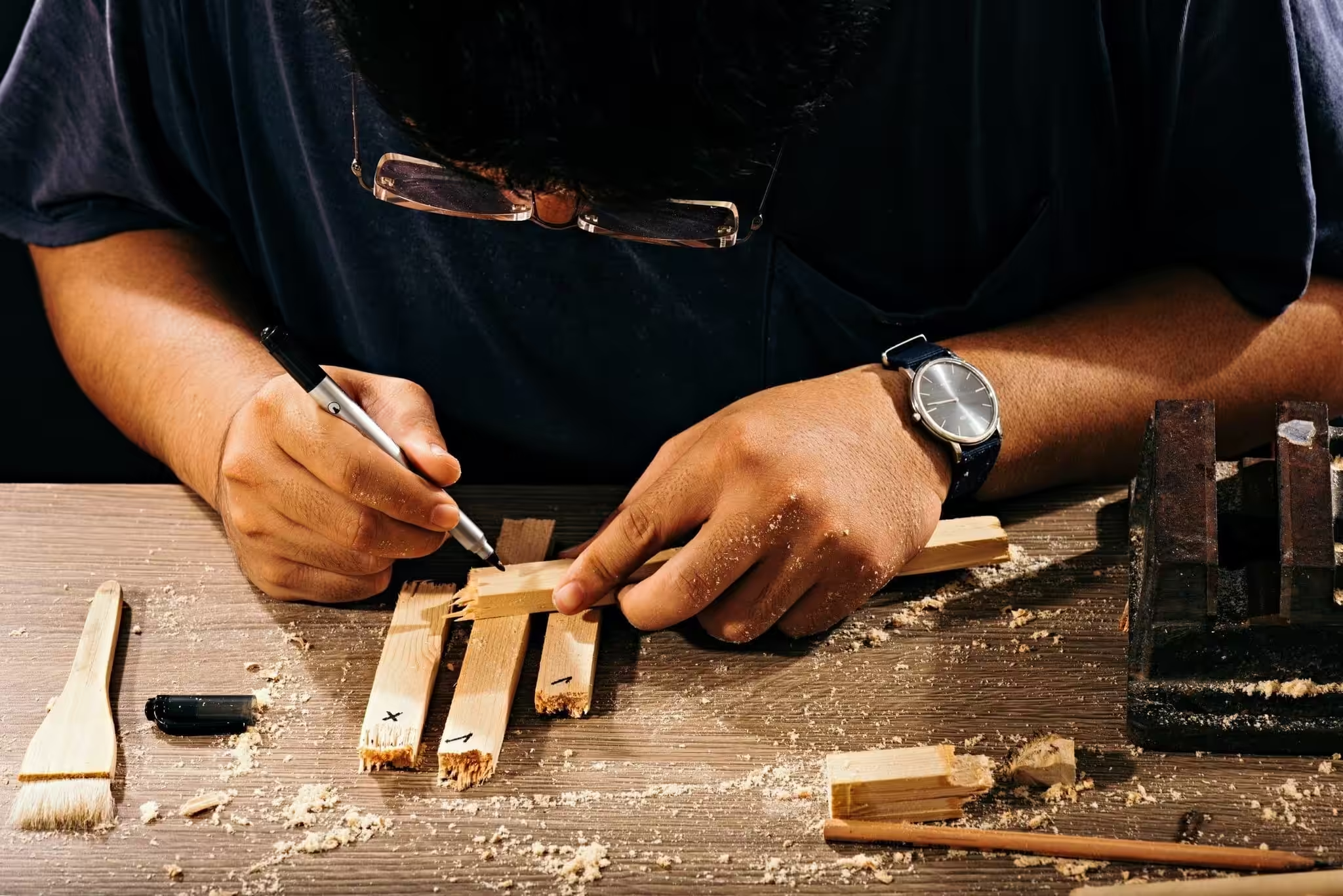
Some of these arrive far larger than a keycap will ever be. A full sheet of wood is cut and sanded down to 1.6 millimeters, thin enough to sit inside a cap the width of a thumbnail. That one step can take an afternoon, and a single slip ruins the piece.
Every material behaves differently once it meets resin. Some bleed, some sink, some crack when the pour moves too fast. Knowing what each one does, and the day it refuses to cooperate, is most of the craft. Imagination decides what goes in. The hands spend years learning how.
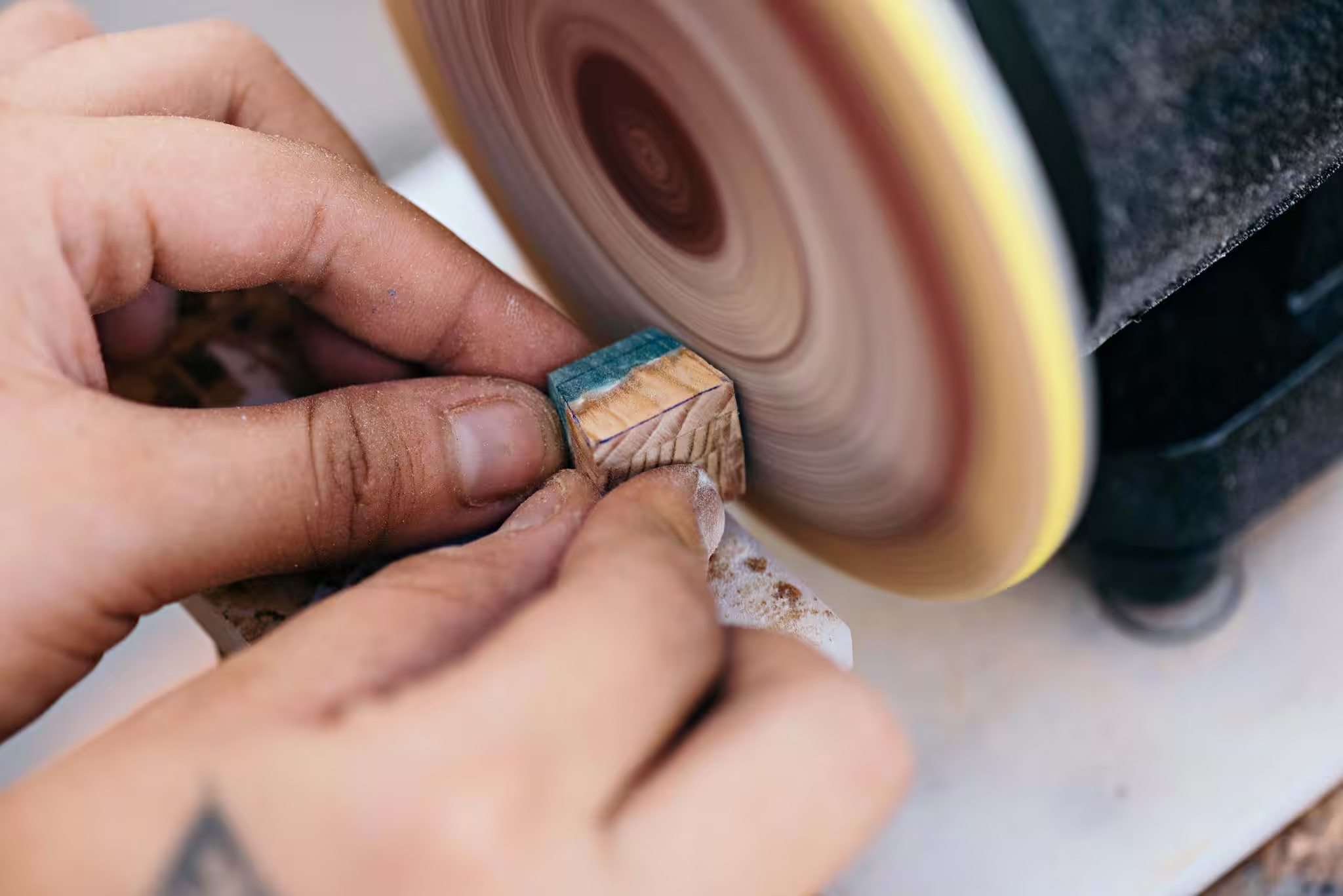
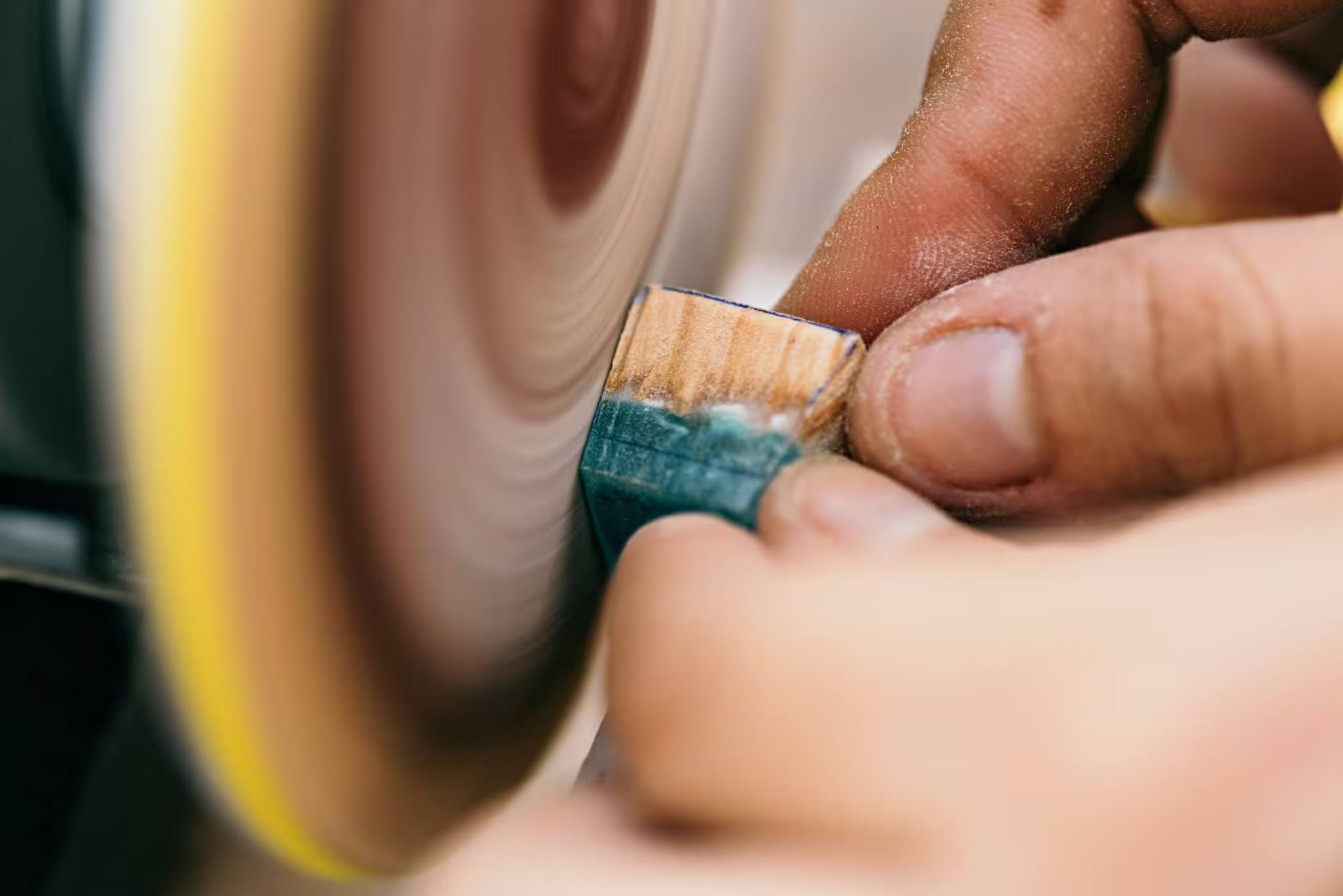
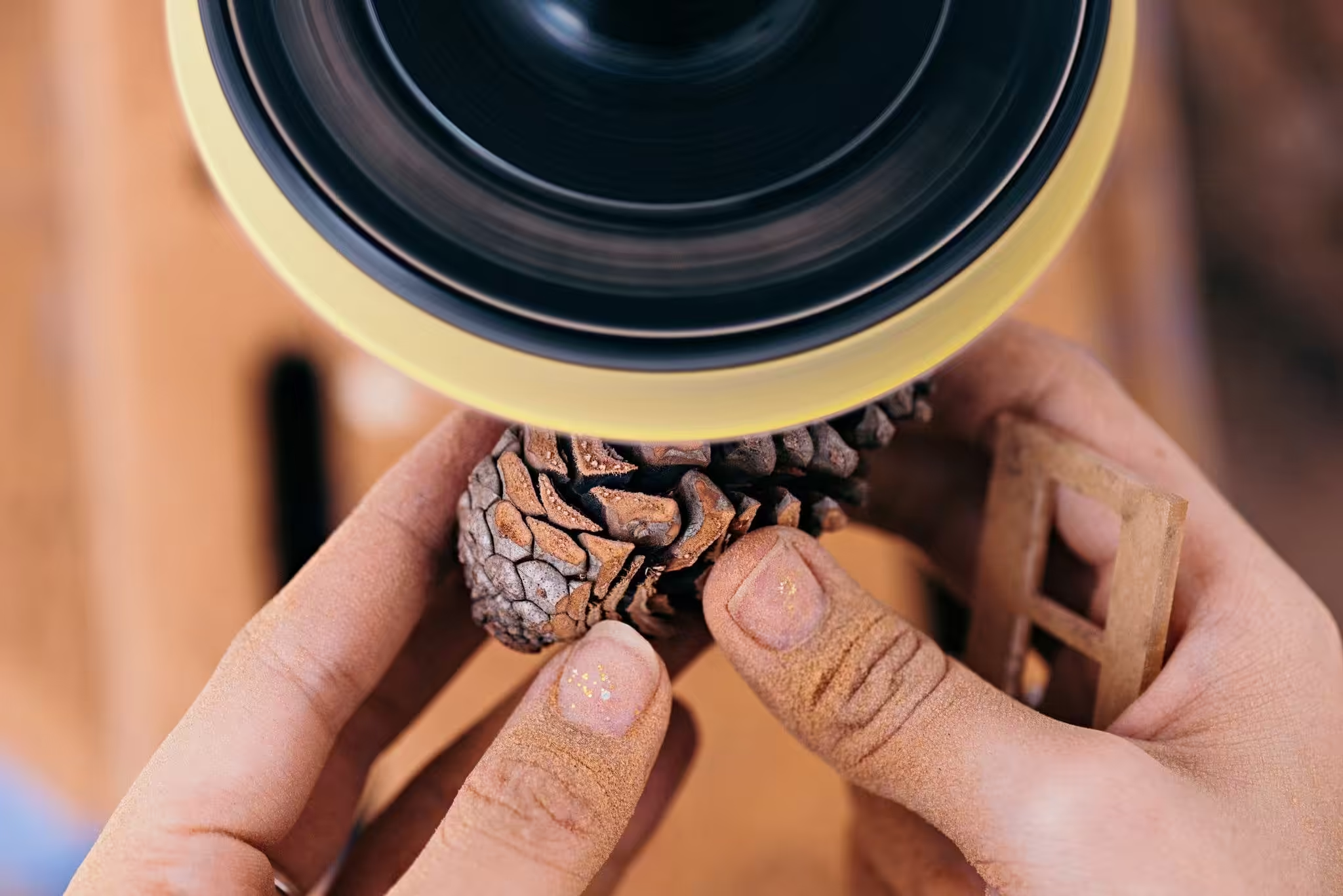
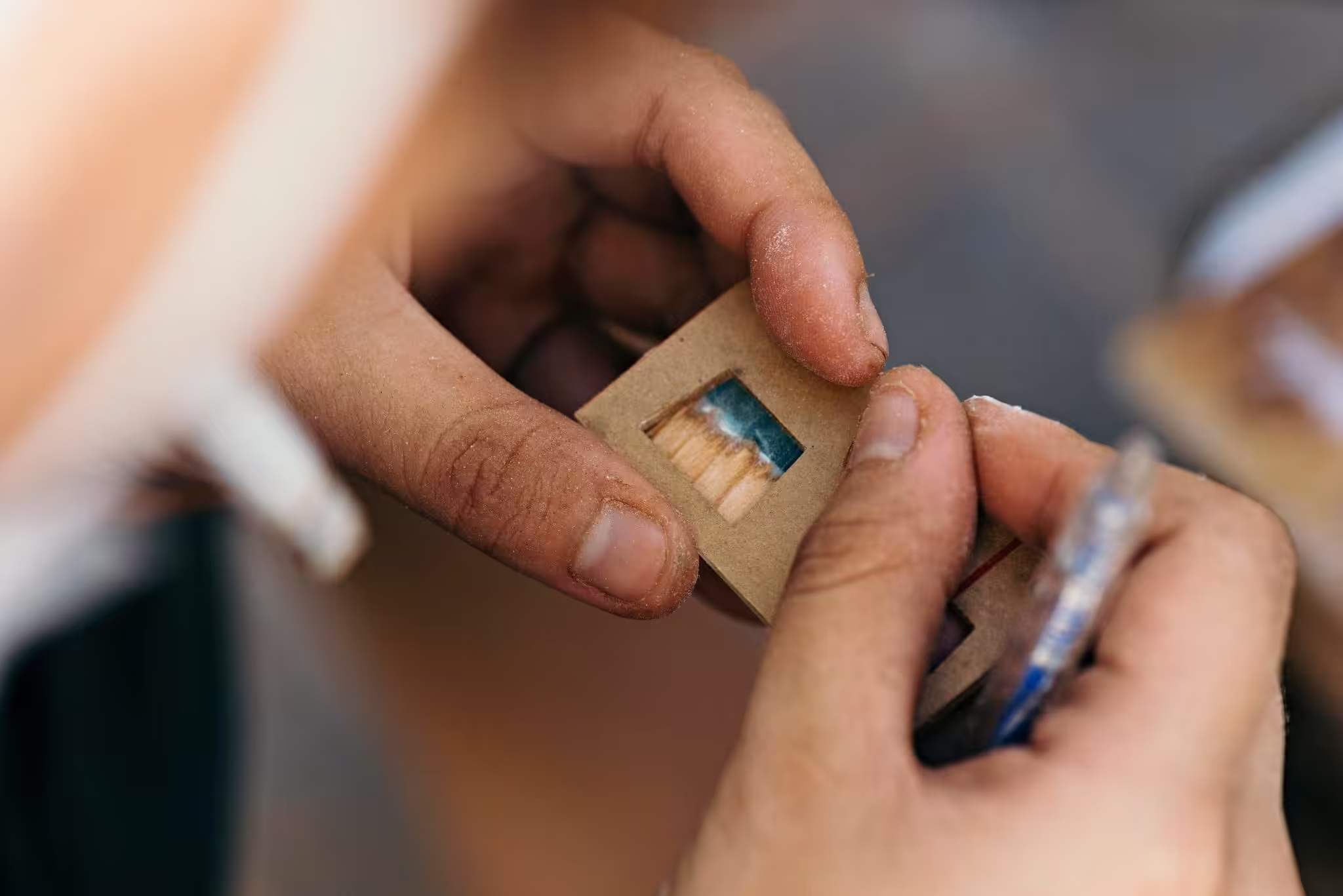
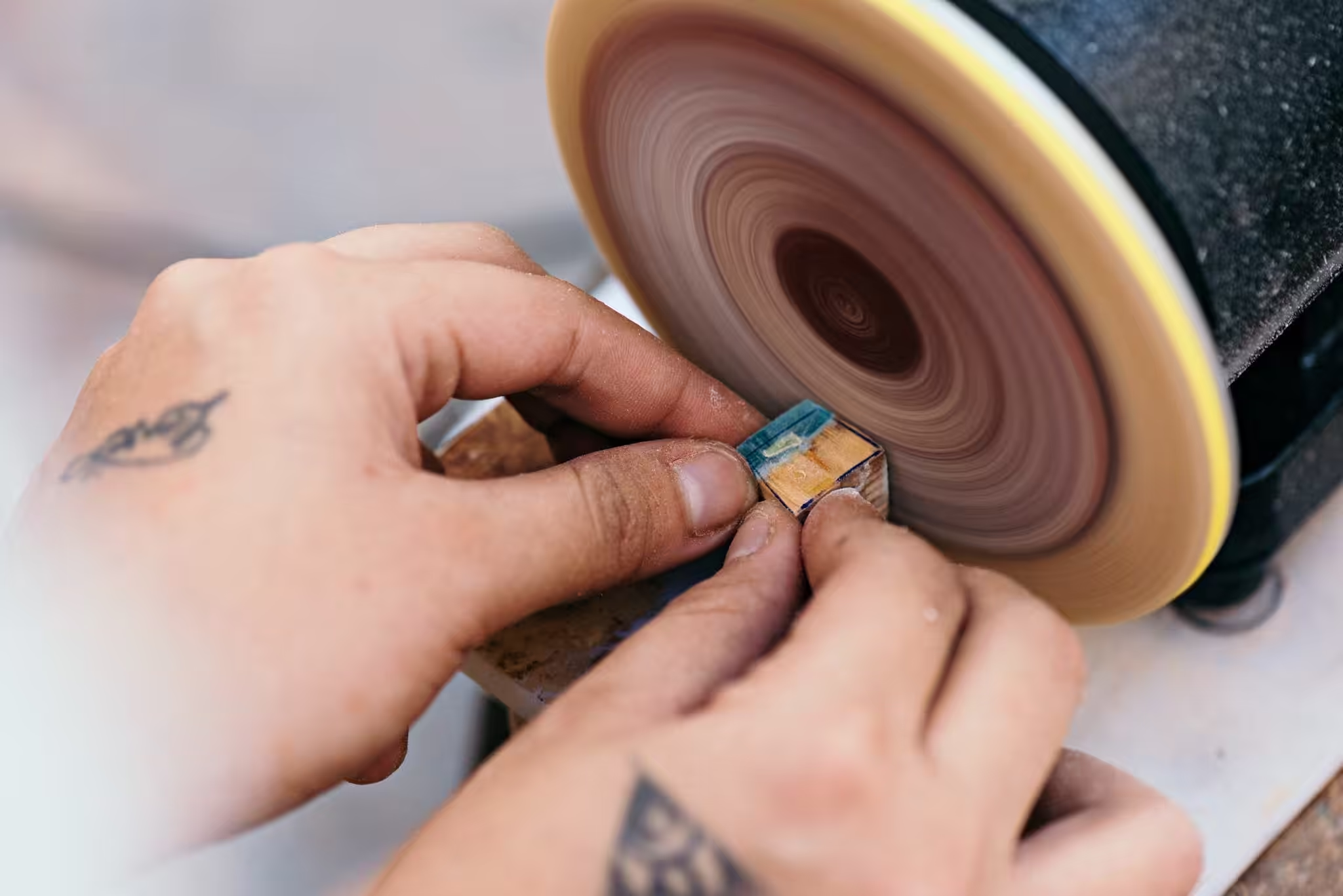
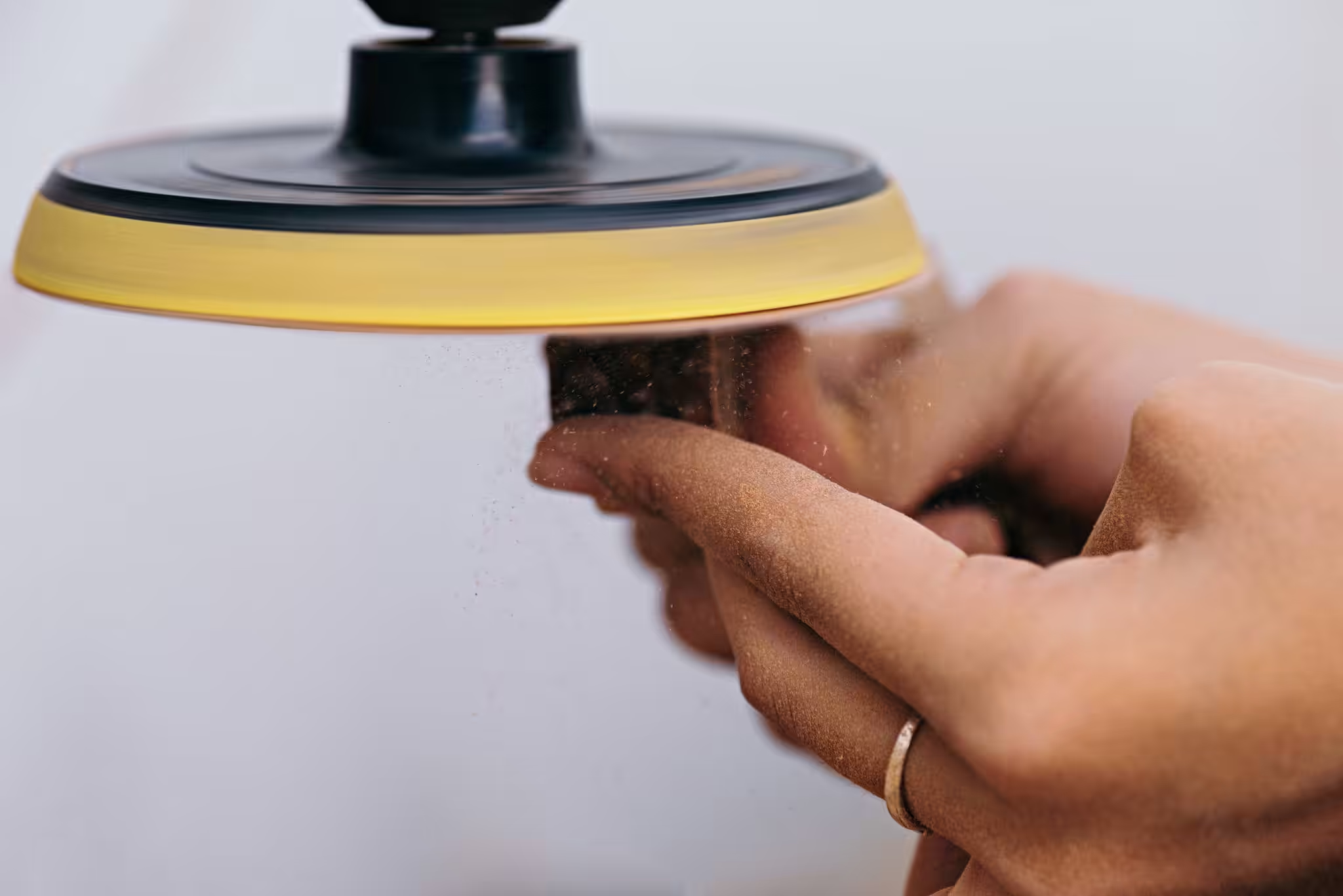
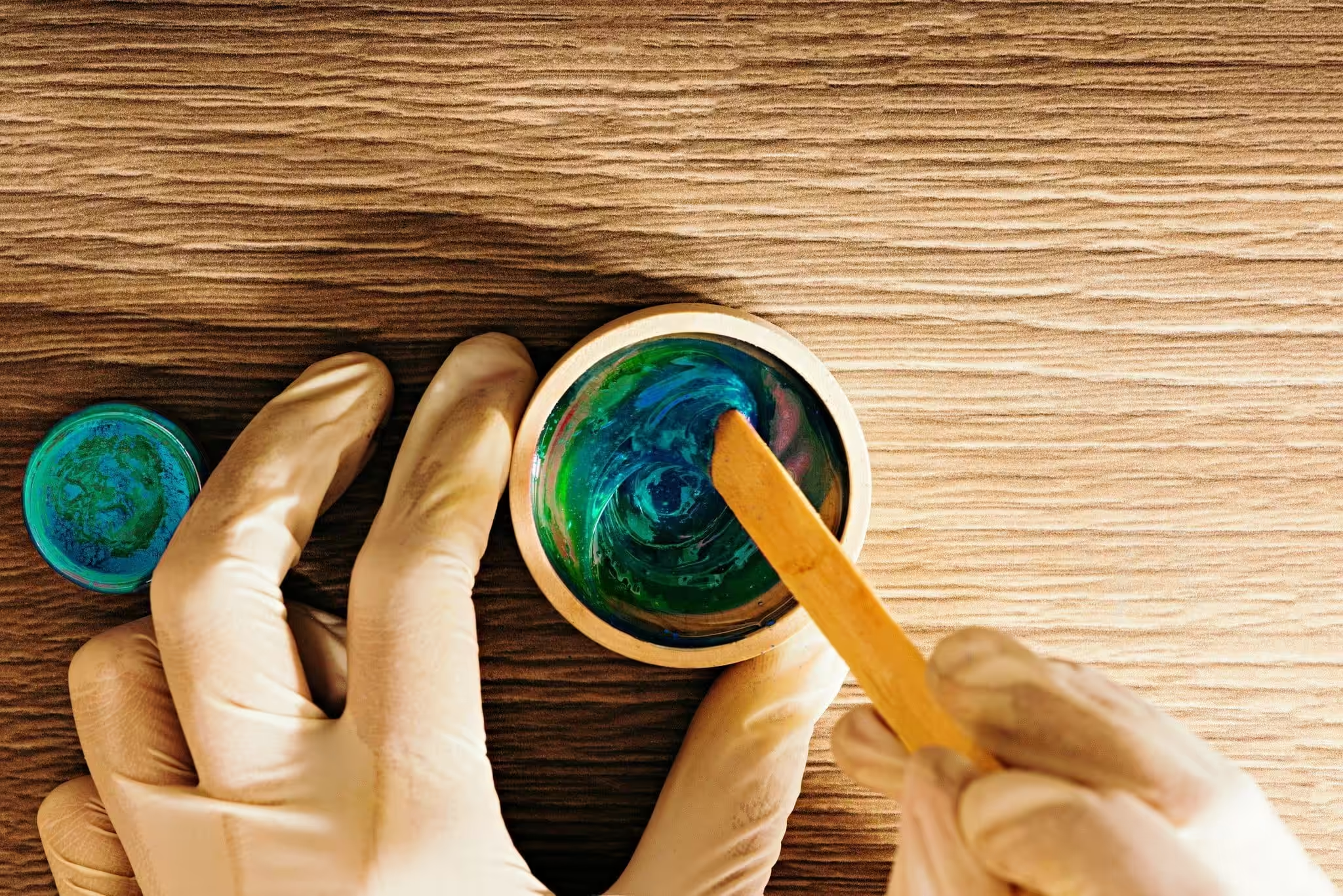
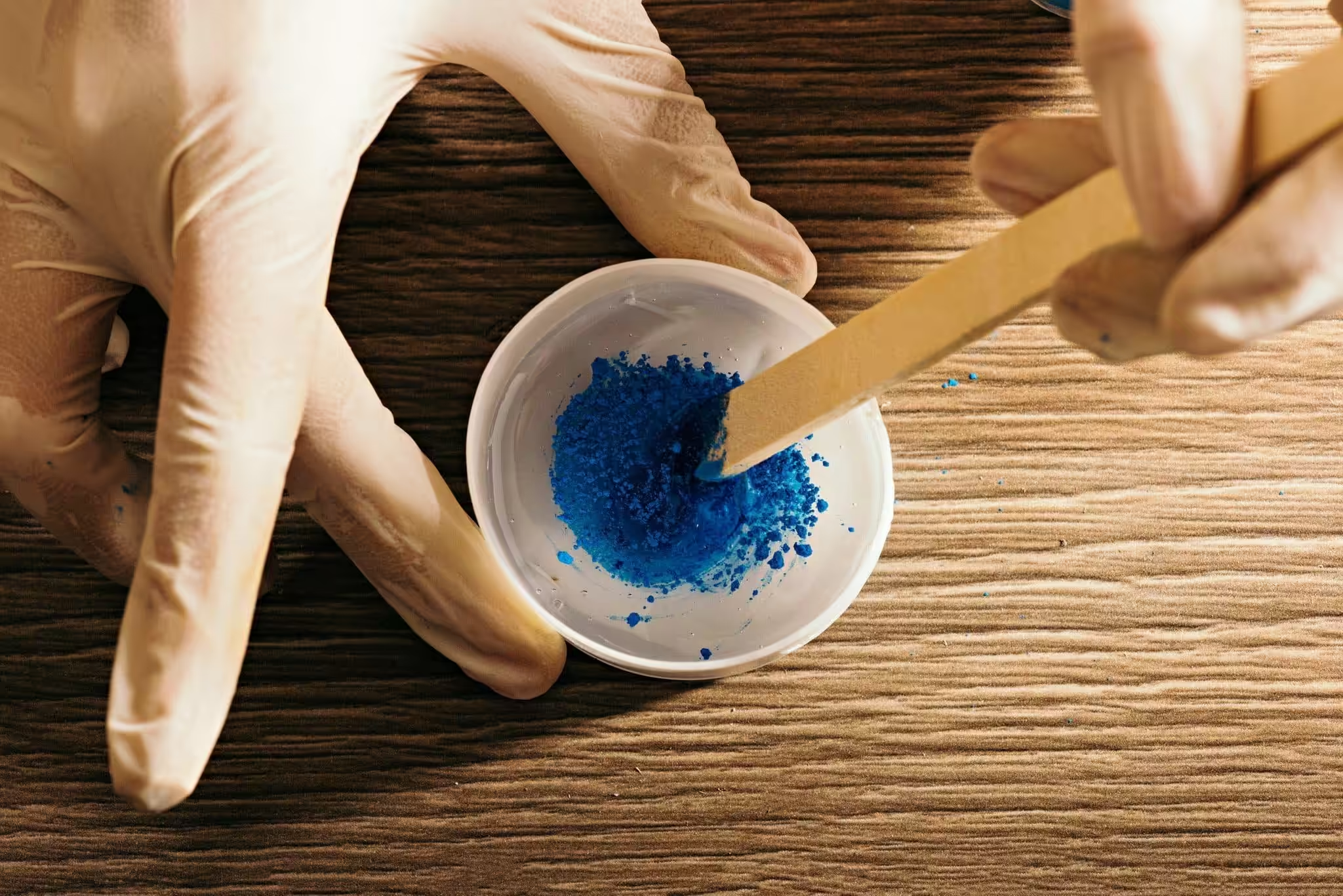
Jelly Key innovations meet creations.
We would rather learn a new problem than repeat a solved one. Where many makers settle into a few proven techniques, we kept moving: Oasis, Nebula, Forbidden Realms, Legendary Castle, Jelly Eden. Each one came out of a skill we did not have the year before.
Inspiration comes from everything in reach, from the shape of a landscape to the gears inside a watch, from games to old myths. We keep it moving through raffles, giveaways, and group buys, and we treat every one as a chance to try something we have not tried.
And we sell a design once. When a group buy closes, that design is finished. We do not reopen it, restock it, or bring it back later in a different color. It ran its one time, and then it stepped aside for the next idea.
Part of this is discipline, part is temperament. People are built to dread boredom, and a bored maker makes dull work. The world changes every morning, so the work should change with it. We would rather turn a dream into a real object once, do it well, and move on. Nothing we have made exists twice.
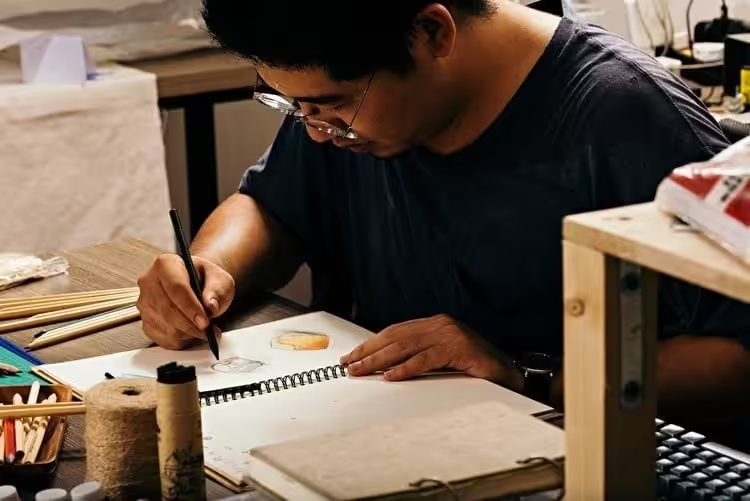
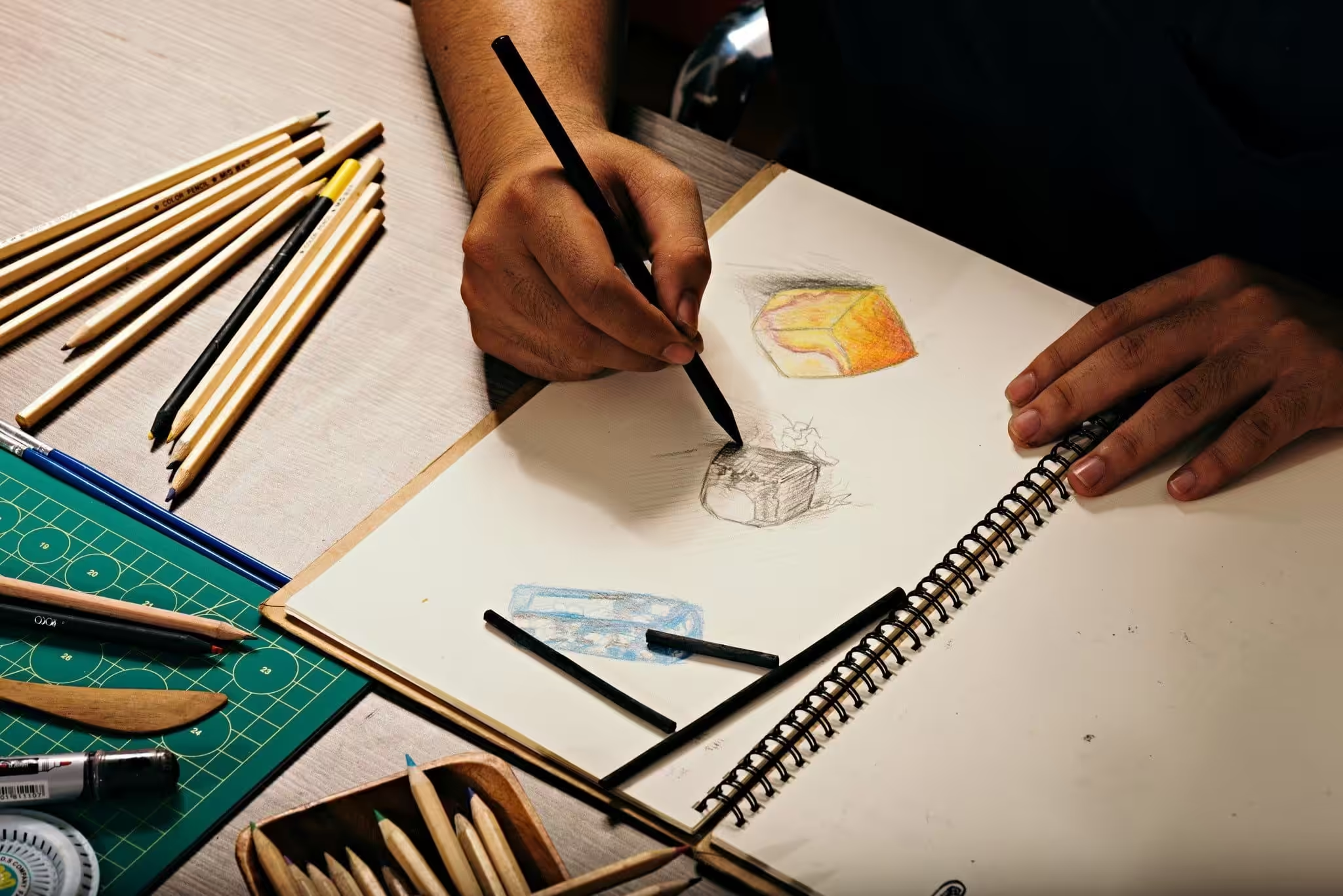
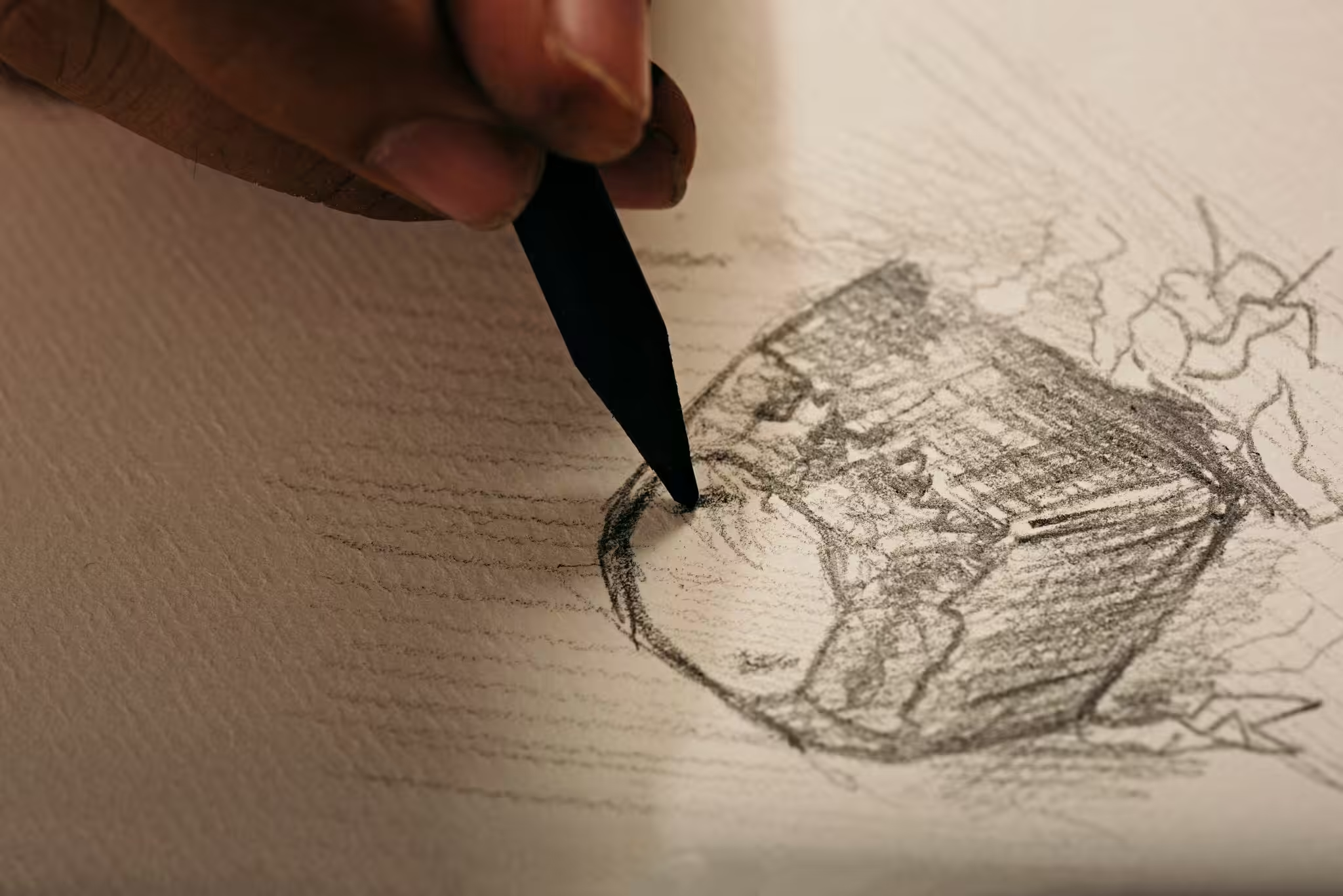

The creative process
Acquire inspiration
- Ideas are everywhere. They surround us.
- The world around us is what moves us first.
Brainstorming
- We gather every idea and put it on the table.
- Then we look for the few concepts worth chasing.
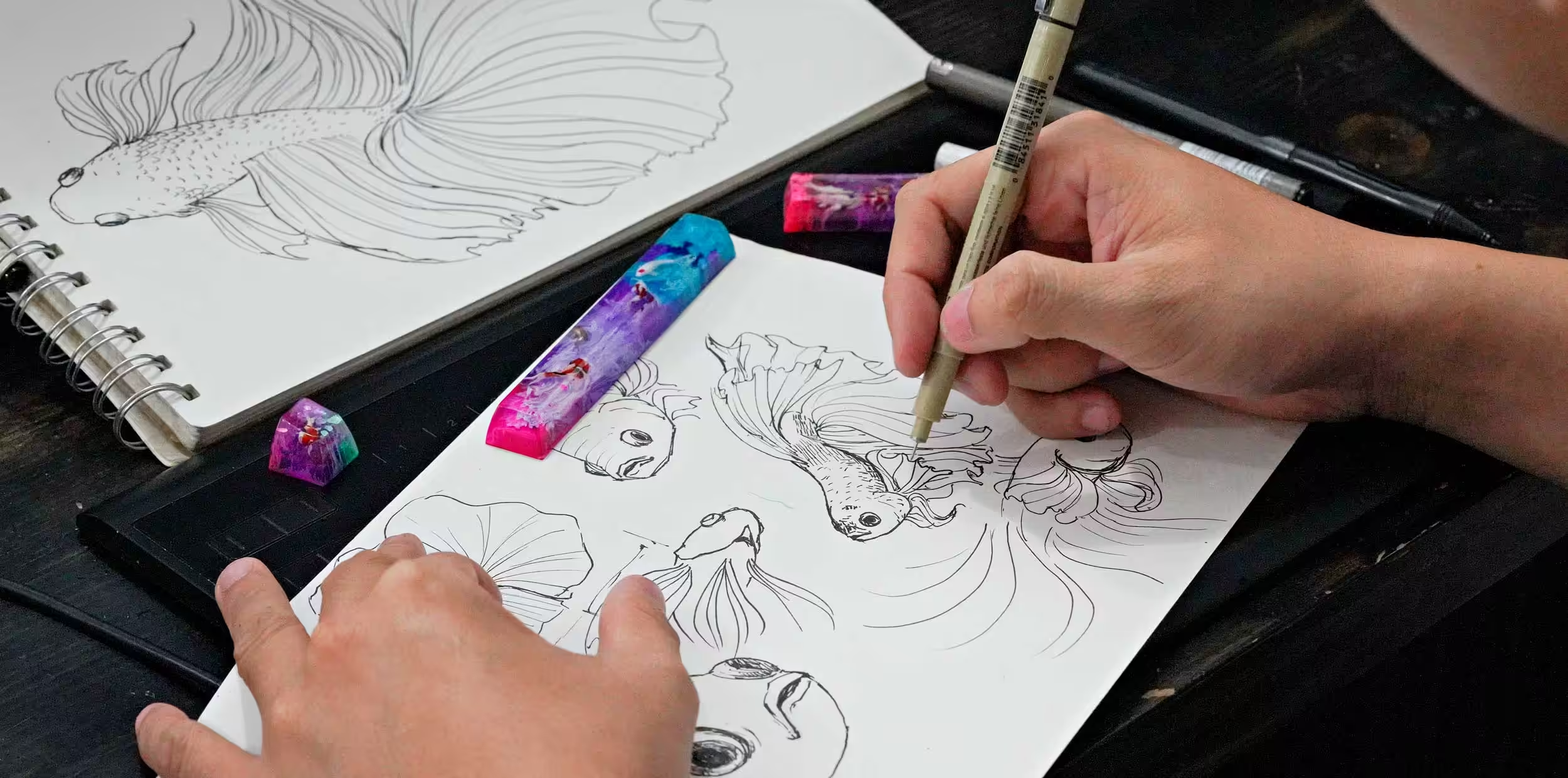
Concept sketches
- The idea goes onto paper first, so we can see whether it can be made at all.
- From the sketch we model it in clay or build it digitally, then 3D print the mold.
- Either path takes time and a steady hand, whatever the tool.
Demo prototype
- We turn the concept into a real, physical cap.
- This first pour is where the idea meets reality.
Peer reviews
- We share samples and ask for honest reactions.
- A prototype is rarely right on the first try.
Improve
- We take the feedback and revise, gathering new ideas as we go.
- The strongest responses shape the final form.
Finalise
- We lock the final version: materials, colors, and finish.
- The piece is ready to be made in full.
Finished
- The keycap is on its way to the store. Are you ready?
Strict quality assurance processing
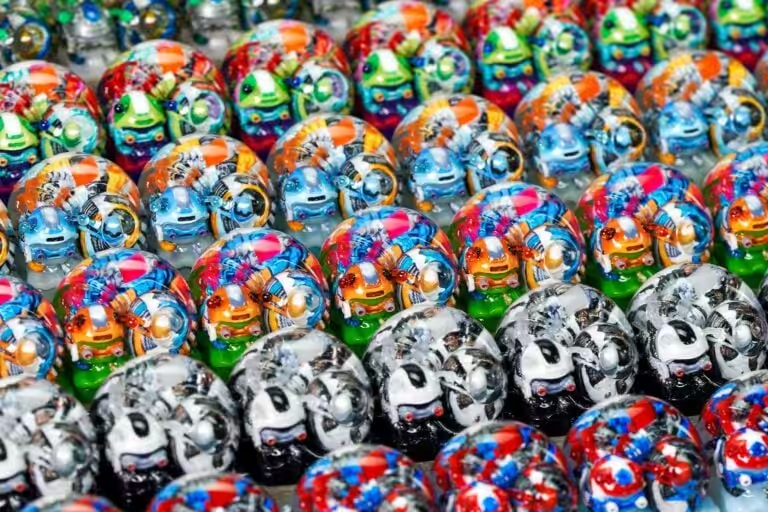
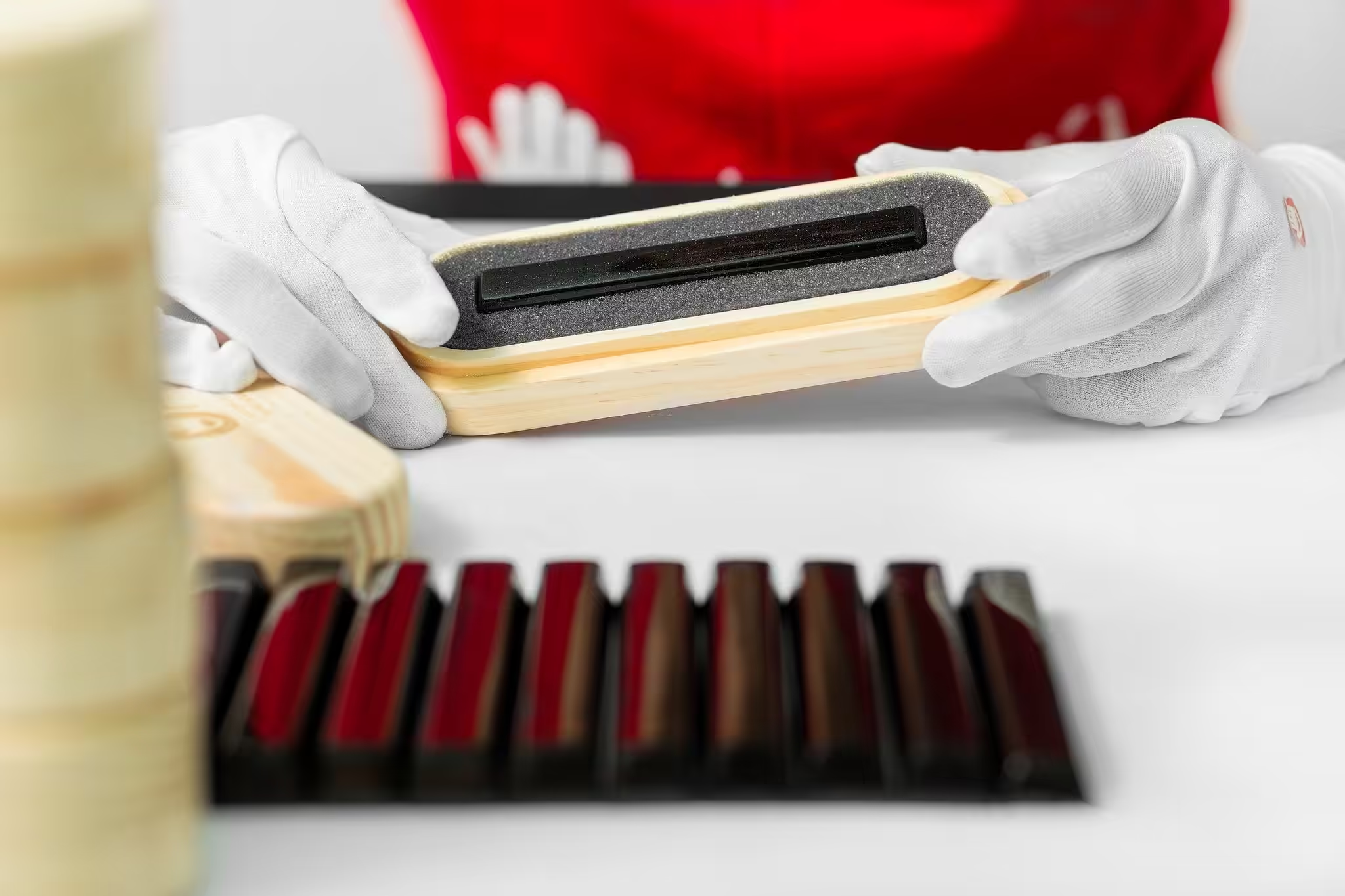
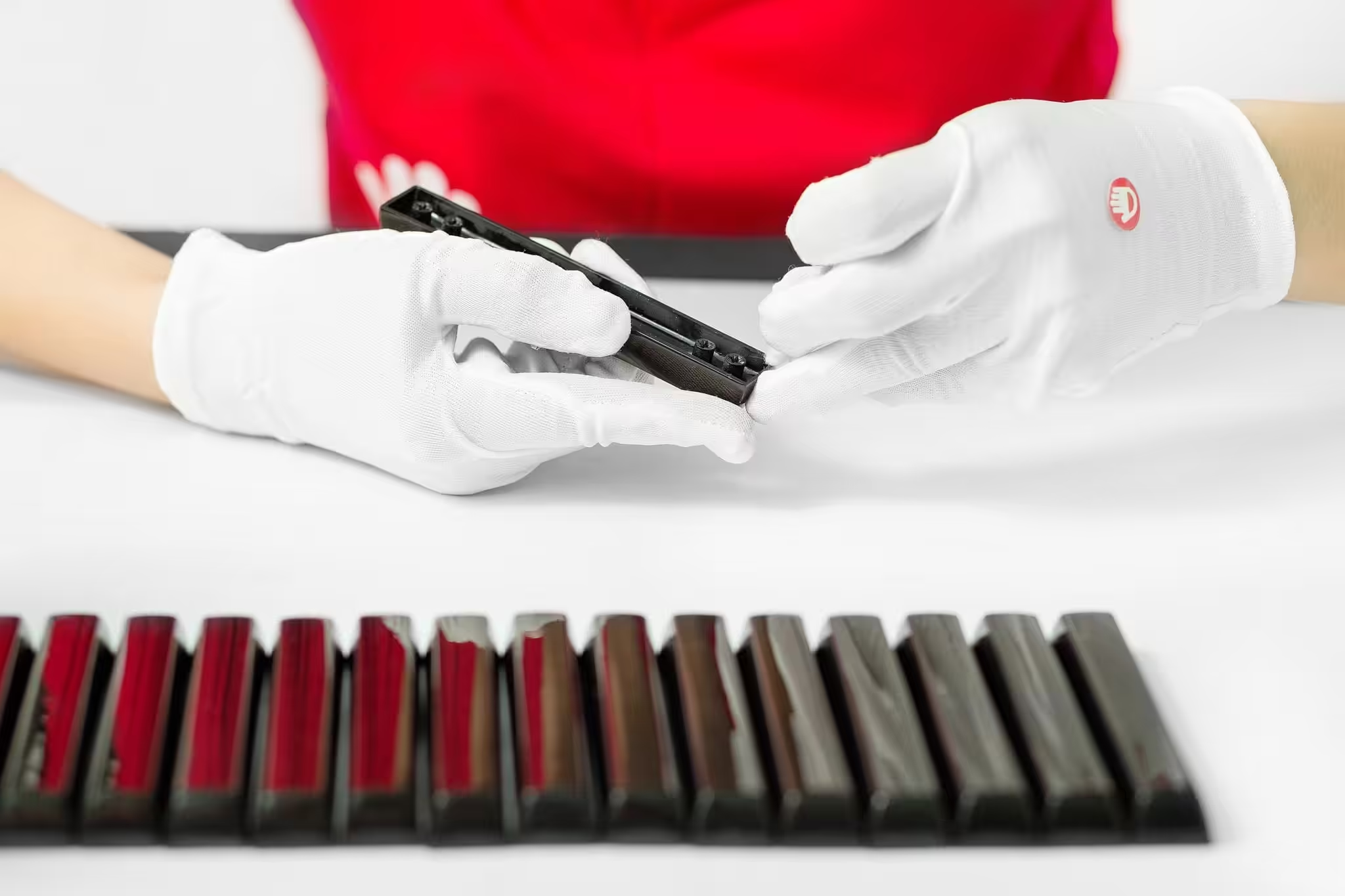
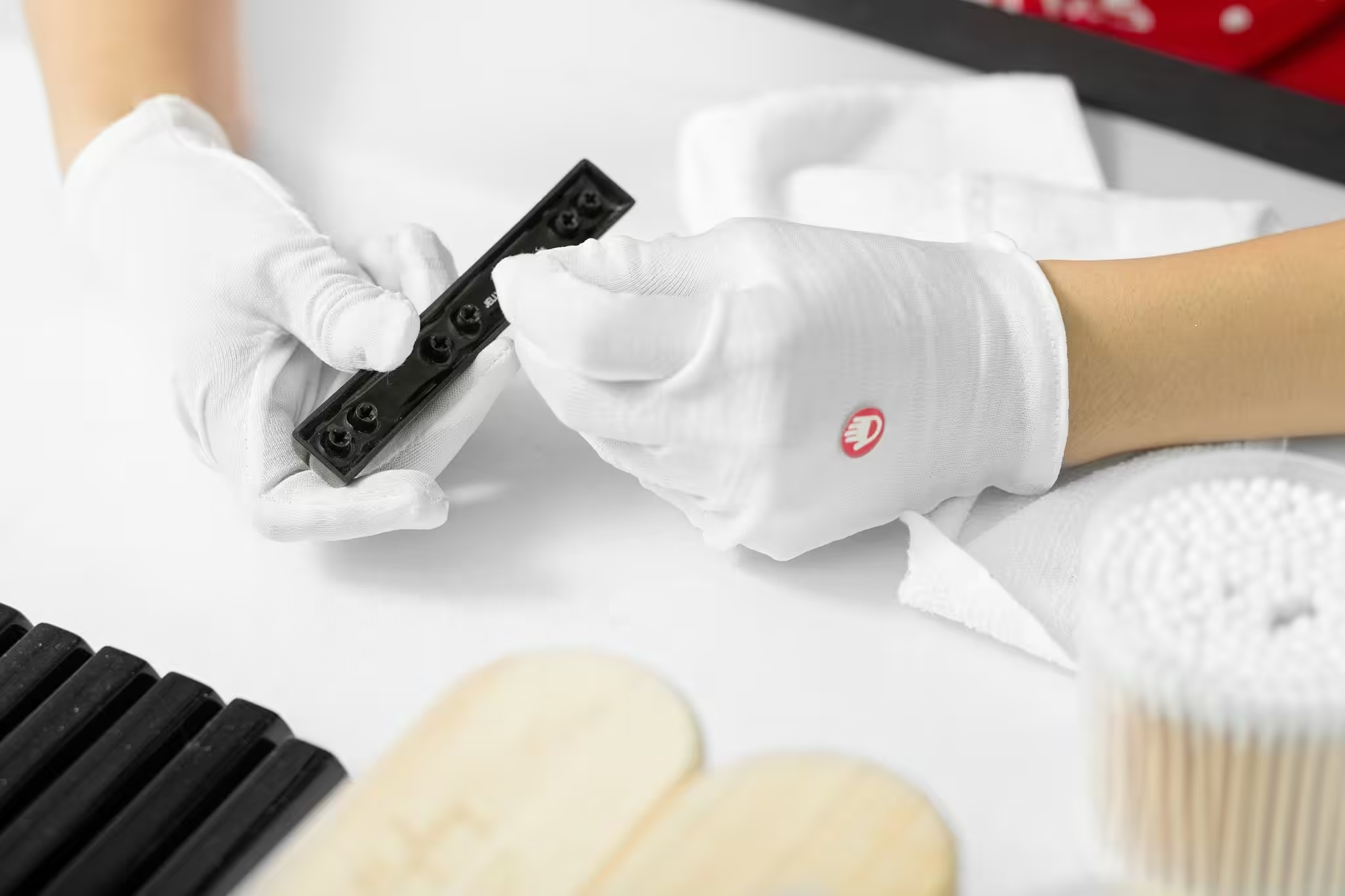
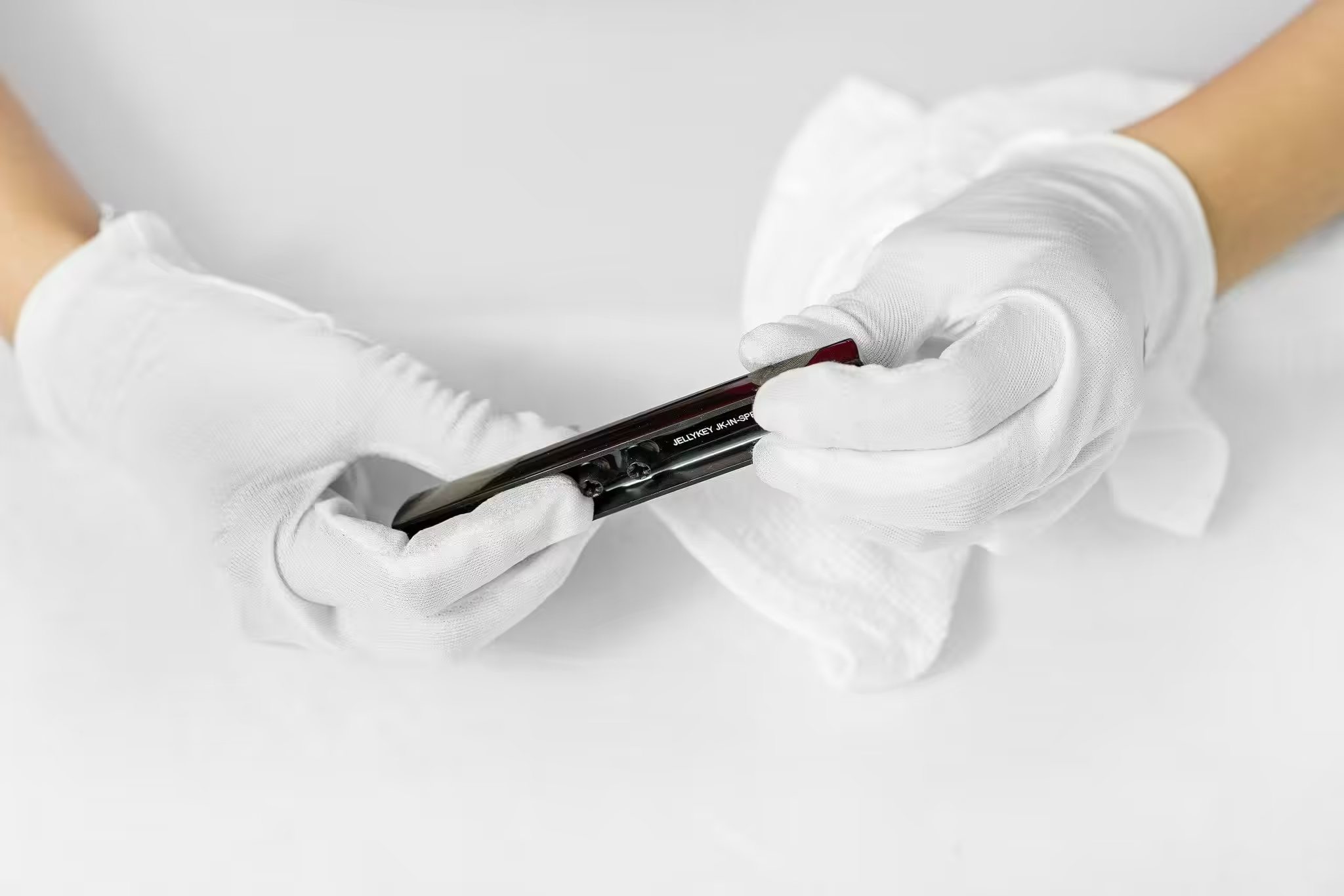
Every Jelly Key cap is checked by hand before it ships, and most of them do not survive that check. On average, four out of every ten caps we make never reach the box. A bubble settled in the wrong place, an edge that catches, a color that has drifted from its set: any one of these is enough to set a piece aside. We look at the surface under light, run a finger along each edge, and test the fit on the stem before a cap earns its way through.
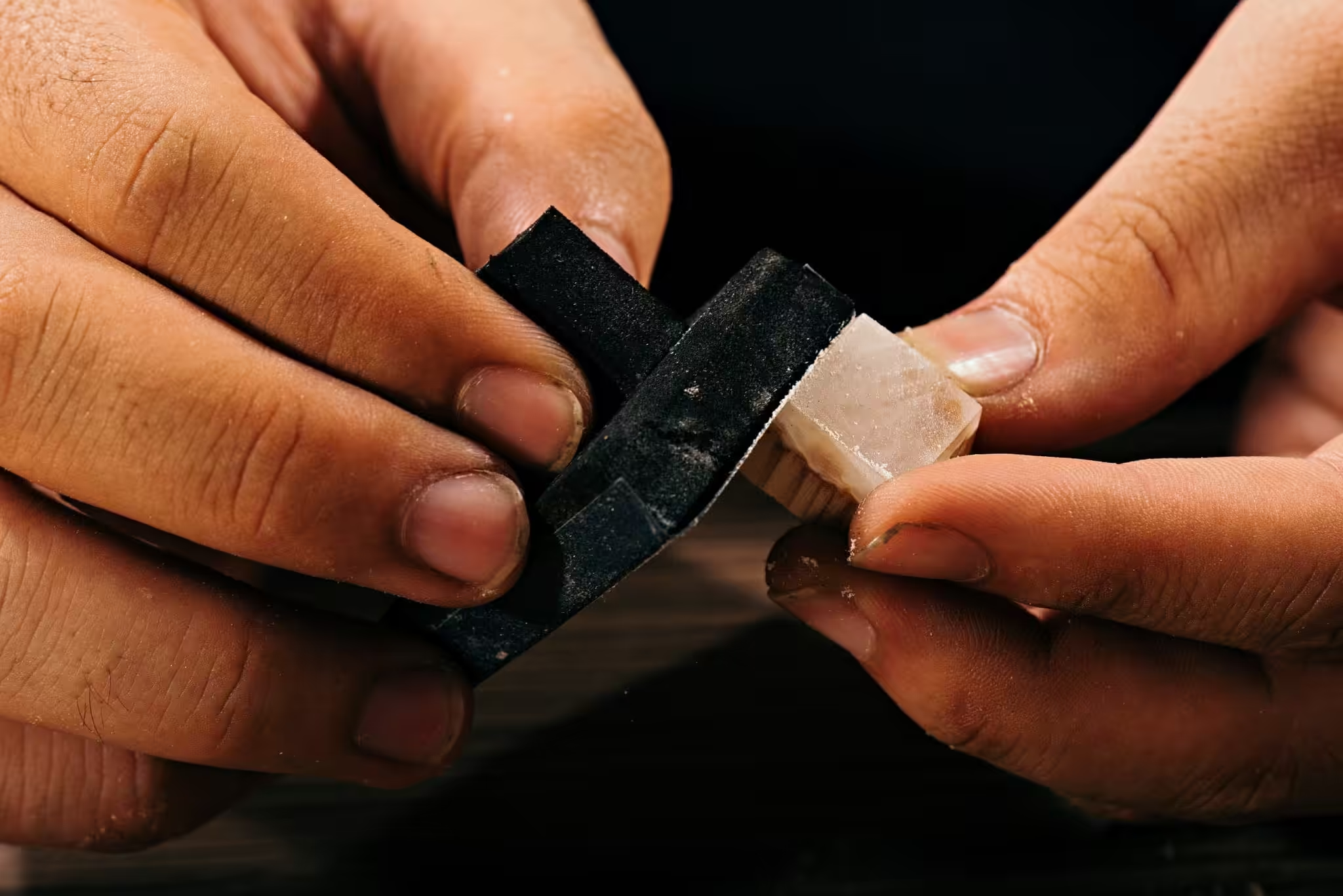
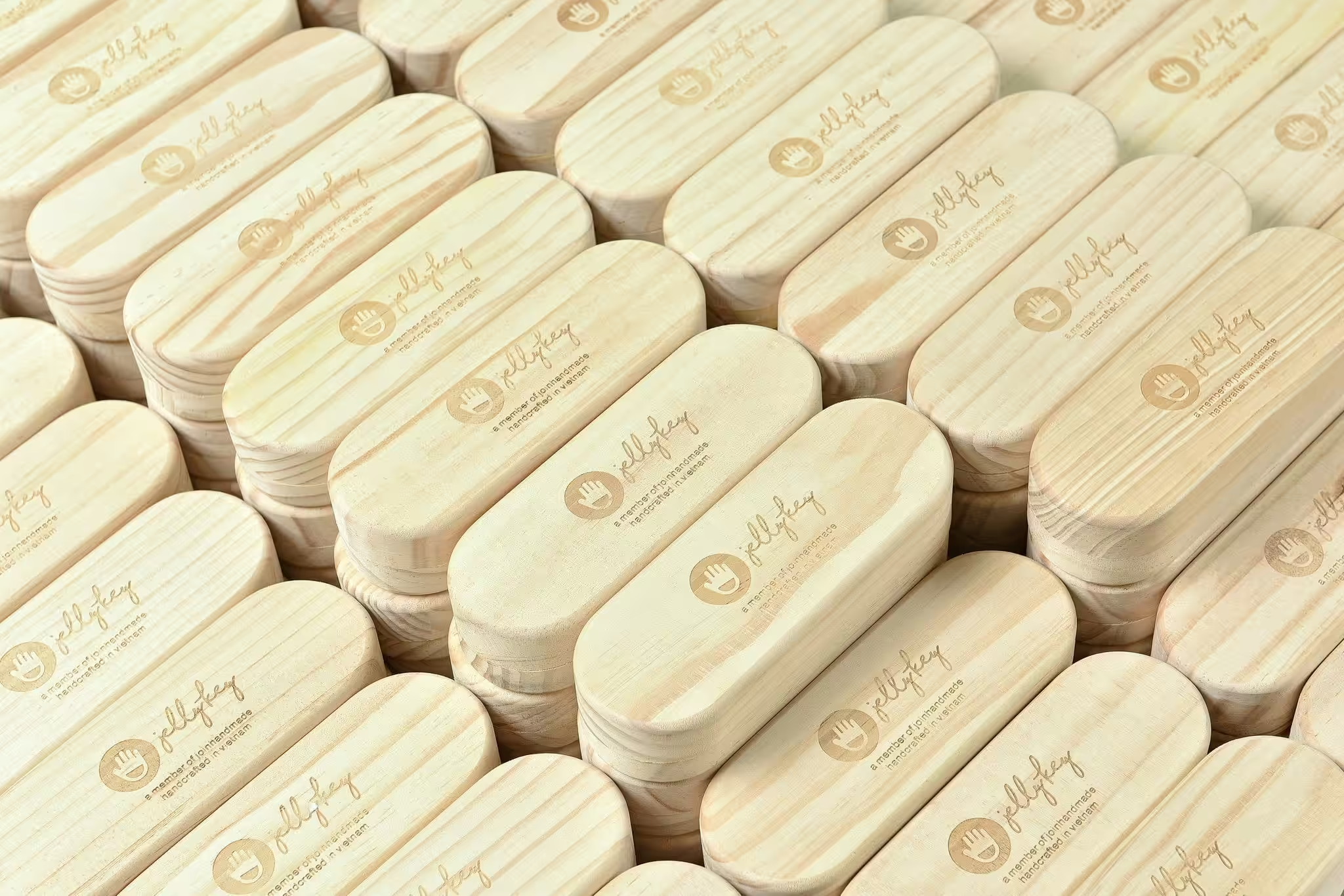
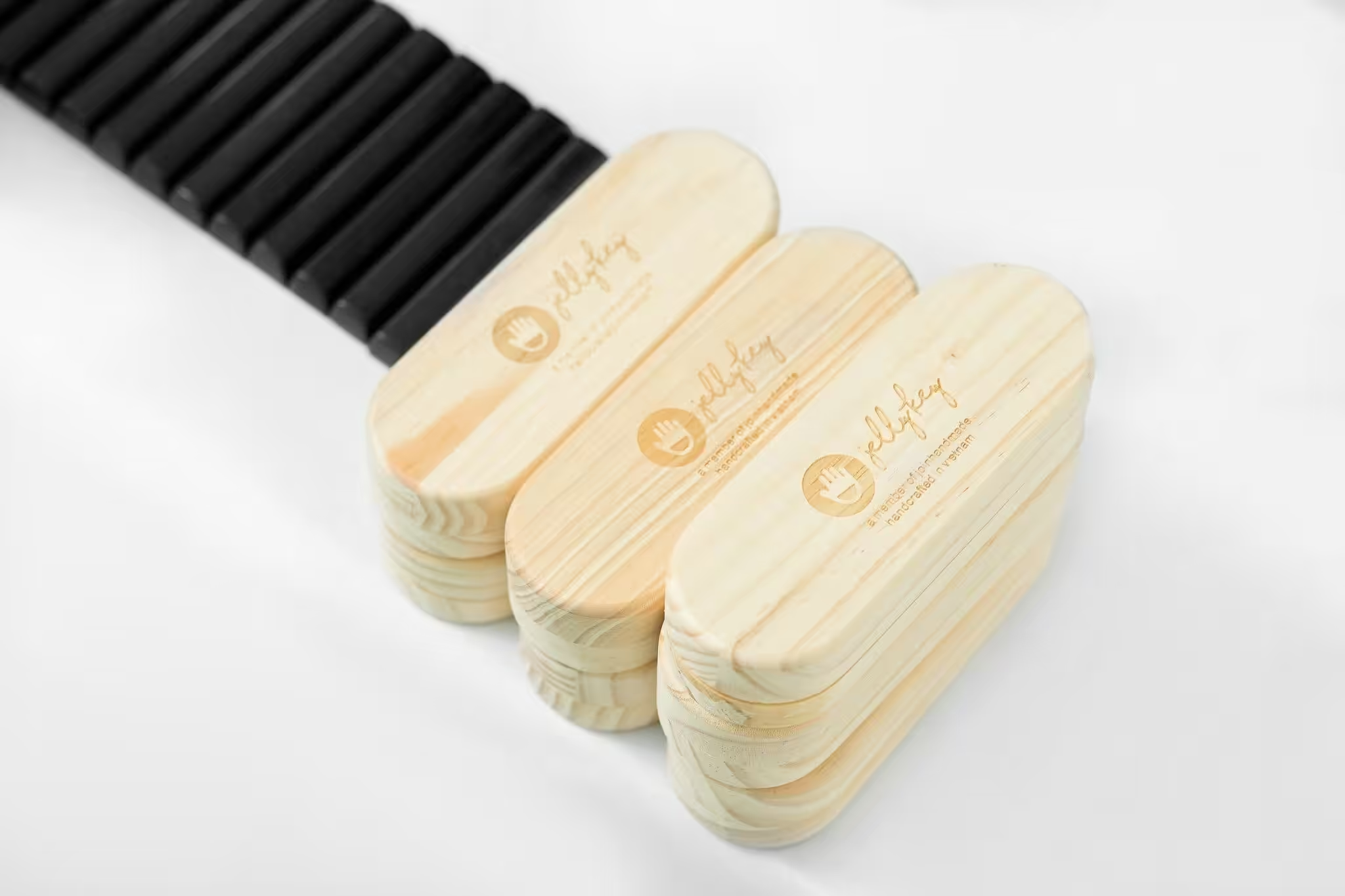
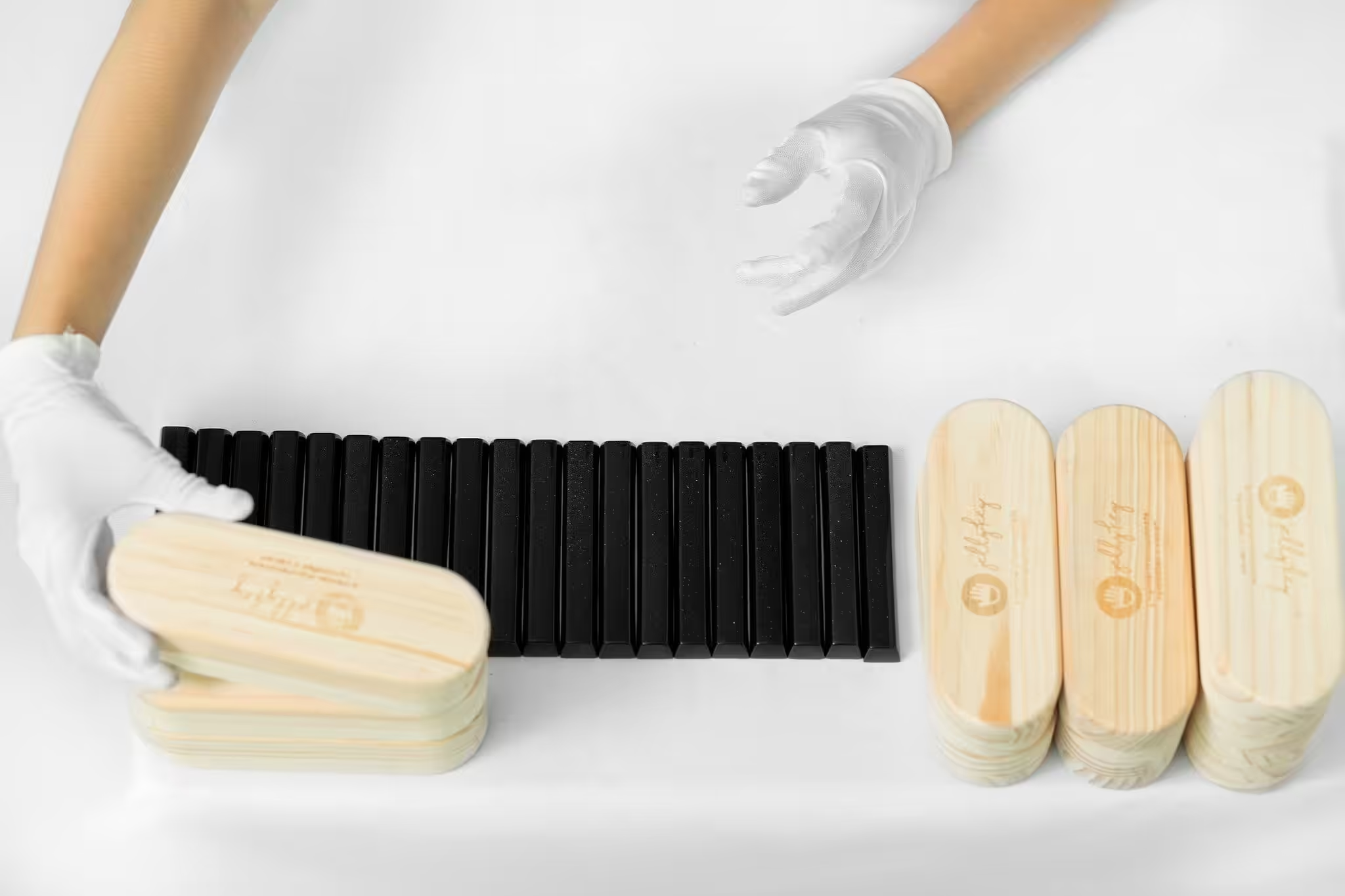
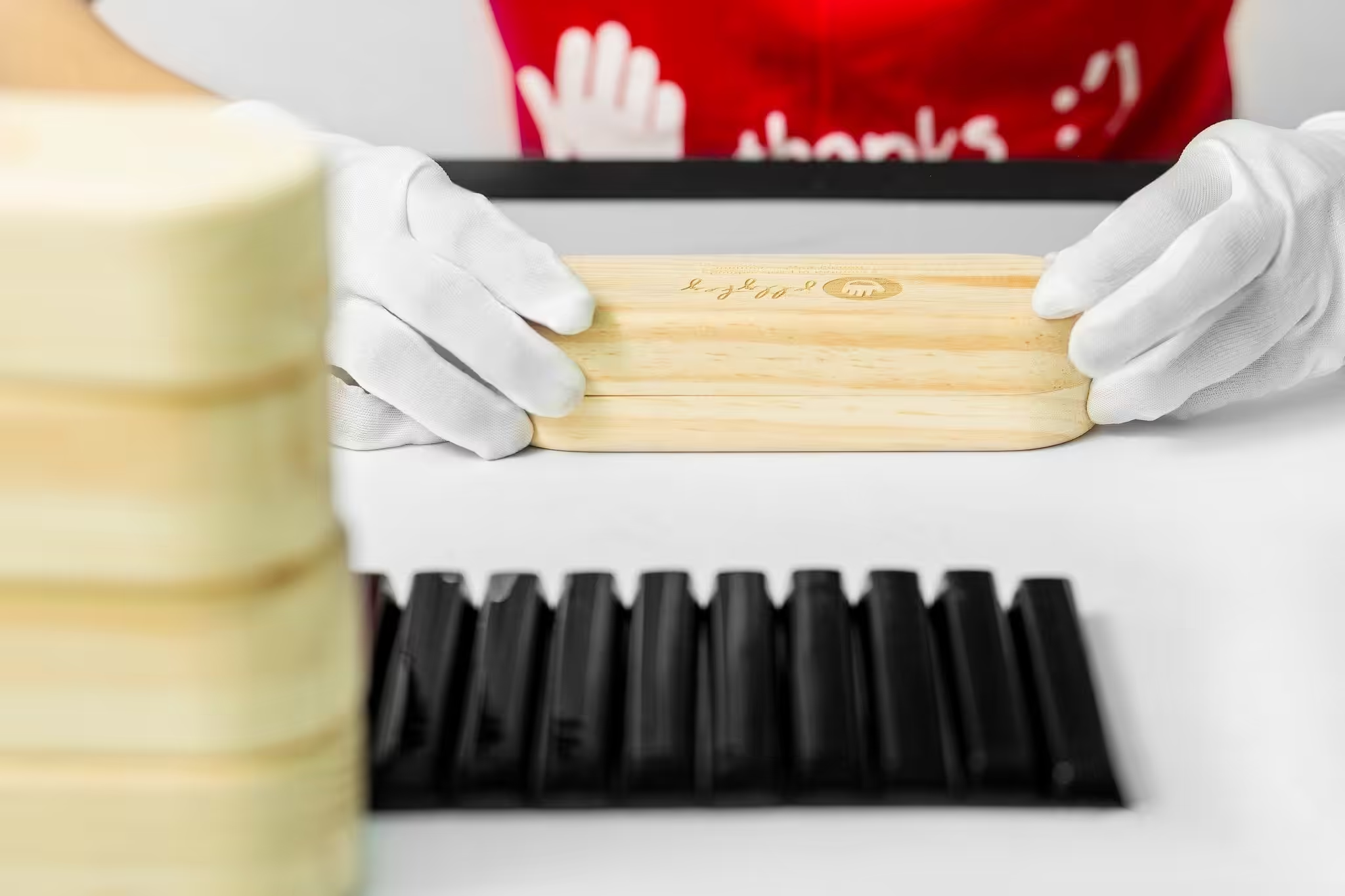
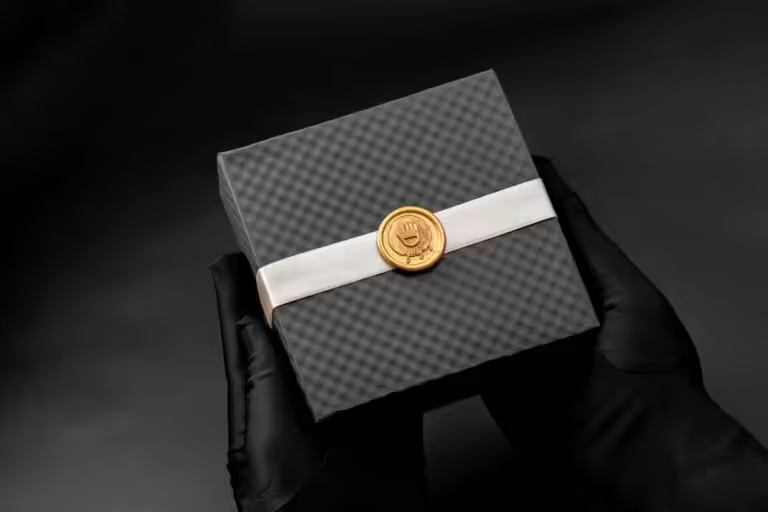
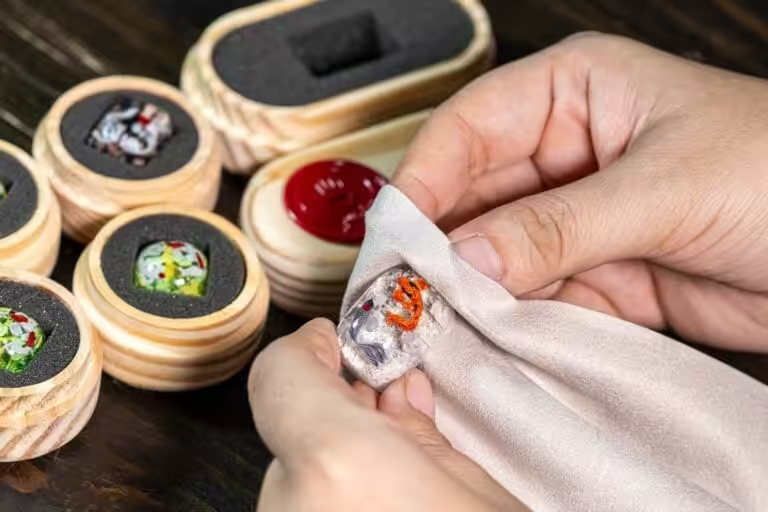
From top to bottom the ones that pass are smooth, with edges softened until nothing sharp remains. That finish is sanded by hand over many hours, work that asks for full attention and gives nothing back to shortcuts. What passes is set into a wooden box lined with foam, so the surface arrives the way it left. It is why no factory can turn these out by the thousand, and why the one you receive is genuinely its own.
![[Prototype] Terix artisan keycaps](https://www.jellykey.com/wp-content/uploads/2024/08/jellykey-new-terix-custom-keycaps-017-768x512.avif)
![[Prototype] Artifact Series: Savanna artisan keycaps](https://www.jellykey.com/wp-content/uploads/2023/11/jellykey-artifact-oasis-custom-keycaps-033-768x512.avif)
![[Prototype] Arcade Cabinets series – Virtual Frontier artisan keycaps](https://www.jellykey.com/wp-content/uploads/2023/06/arcade_2023_sketch_final-768x384.avif)
![[Prototype] The Immense Ocean series](https://www.jellykey.com/wp-content/uploads/2023/04/DSC04570-copy-768x512.avif)
![[Prototype] Retro TV series – Galaxy Thieves artisan keycaps](https://www.jellykey.com/wp-content/uploads/2022/10/tv-artwork-2_color_logo-an-2048-768x384.avif)