

Keycaps are mostly universal, and the exceptions are the ones that cost people a keycap. Two minutes with your keyboard before you order is enough to rule them out. Check the stem first, then the size of the key. The profile comes last, and it decides how the keycap looks rather than whether it goes on.
The stem under the keycap
Turn one of your keycaps over. Underneath is a small socket that grips the switch, and the two have to match. Most mechanical keyboards use the Cherry MX stem, a cross shaped like a plus sign, and so do the many switches that copy its shape. Nearly every artisan keycap we make is cast for it.
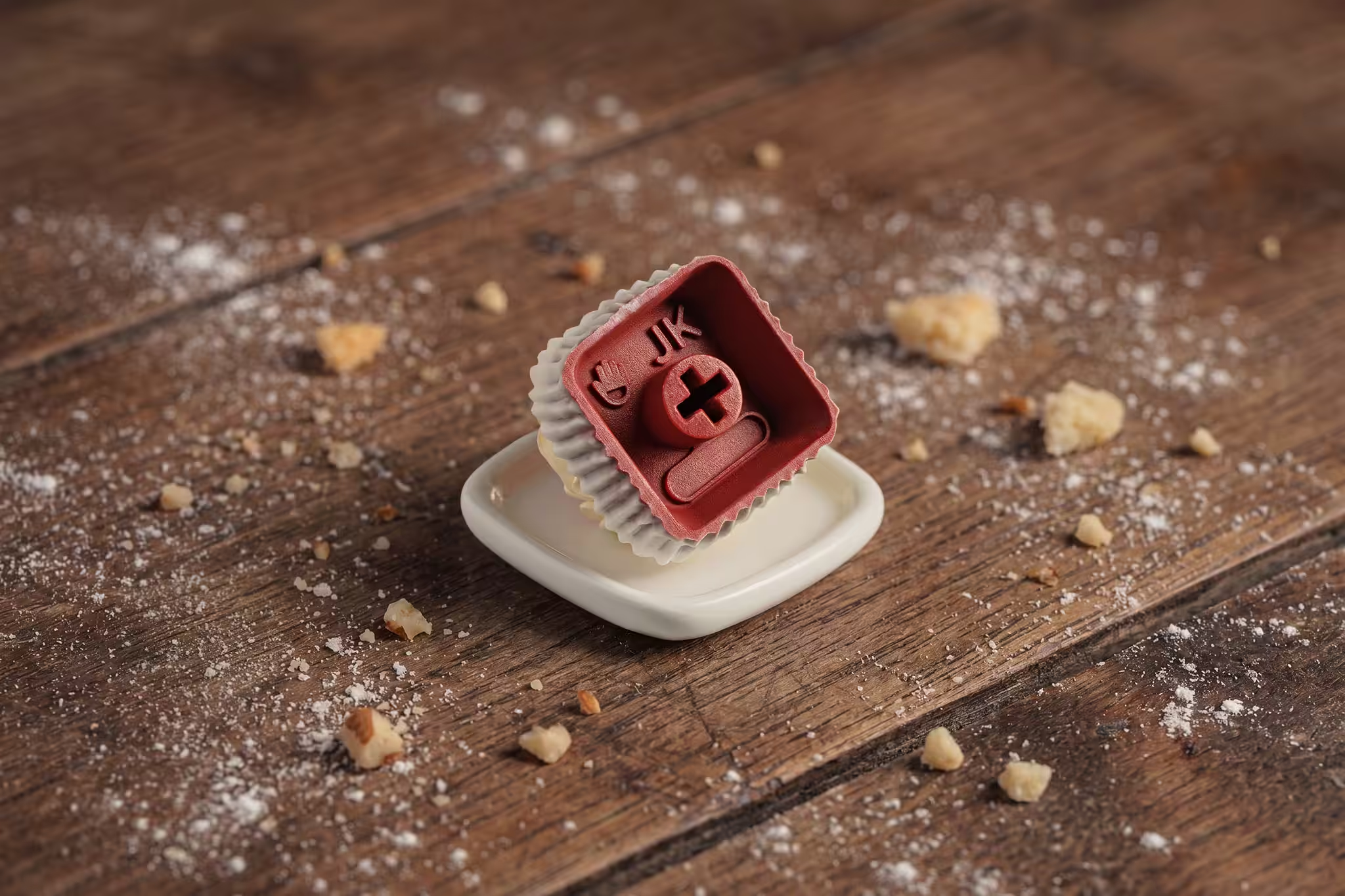
Boards like the HHKB and the Realforce use Topre switches, and those take a round stem. Some of our runs come in a Topre compatible version as well. Pastry Symphony was cast both ways, and the product page says so whenever a design has it.
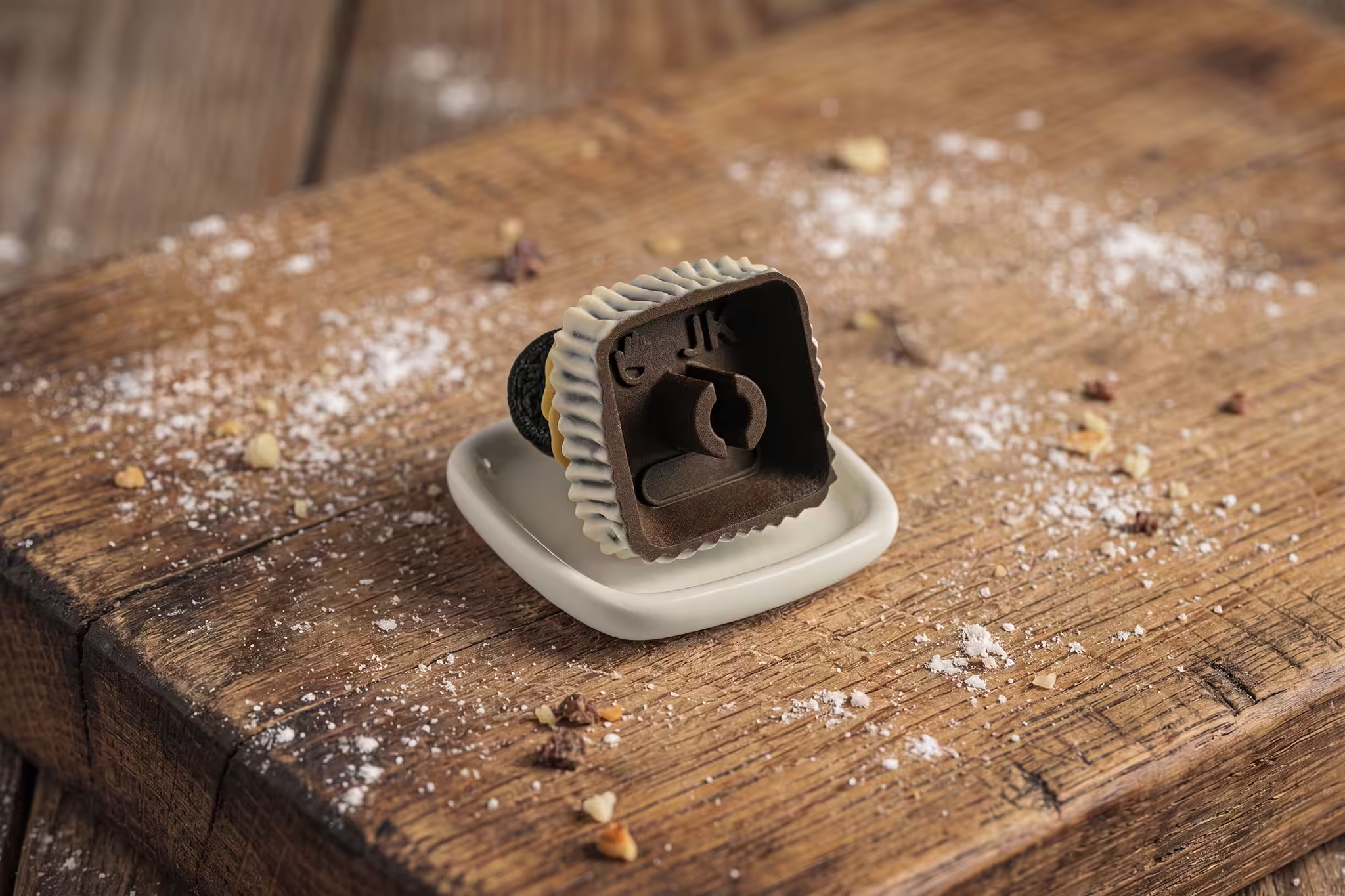
If the socket under your keycap looks like neither of these, an MX keycap won’t go on. Laptop keyboards, low profile switches and older Alps boards each have a shape of their own.
The size of the key
Keycaps are measured in units. A letter key is 1u. Tab is 1.5u and Caps Lock 1.75u. Backspace is 2u, Enter and the left Shift are 2.25u, and the right Shift is 2.75u. We cast artisan keycaps from 1u up to a 7u spacebar, so count which key you want to replace before you pick a size.
The spacebar is where the mistakes happen. Most boards take a 6.25u spacebar, some take 6.5u or 7u, and a few brands build a bottom row of their own. Corsair is the common one, and we make a Corsair spacebar for it. Measure yours, or look up the layout of your board, before you order a spacebar keycap.
The profile of the row
A keycap with the right stem and the right size will go on, and the profile decides whether it looks like it belongs there. It is the height and the slope of each row, and a tall SA keycap on a low Cherry board stands up like a fence post. We compare the common shapes, and the ones we cast, in Keycap profiles explained.
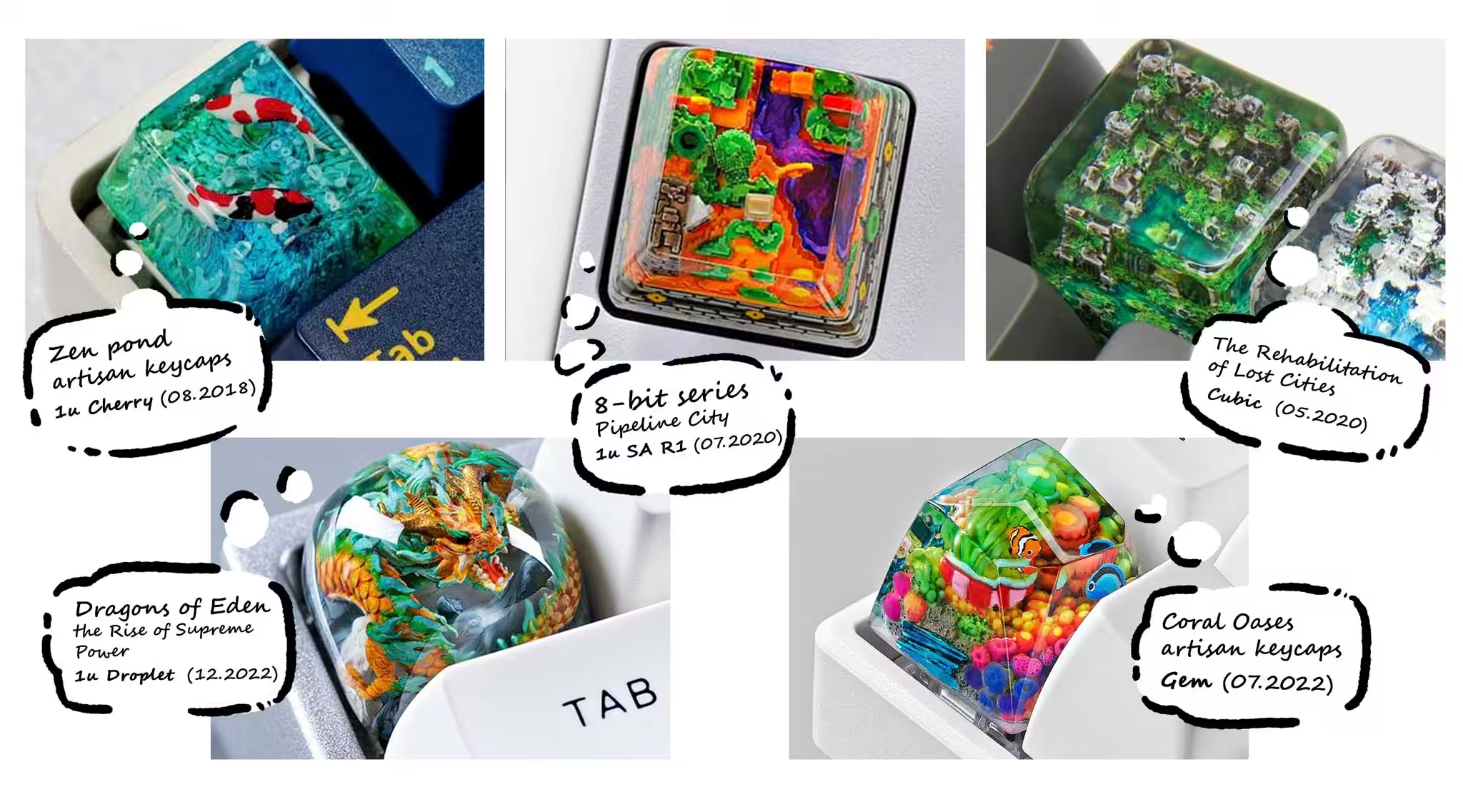
Two smaller things. If your keyboard has a backlight, it shines up through our clear resin keycaps, the ones listed under backlit, and stays underneath the solid ones. Hot-swap boards change nothing here, because hot-swap is about how the switch sits in the board, and the keycap only meets the stem on top.
A 1u artisan keycap goes on any 1u key with the same stem. Many people put theirs on Escape, where it’s seen all day and pressed a few times.